
obliterative
- adjective
- /əˈblɪtəˌreɪtɪv/
- The invasive species has an obliterative effect on native plants, completely replacing them.
Examples
-
This is in contrast to the electrical and laser techniques, in which intense local heat destroys tissue by desiccating and charring it and produces hemostasis by obliterative coagulation.
Academic text (2001) -
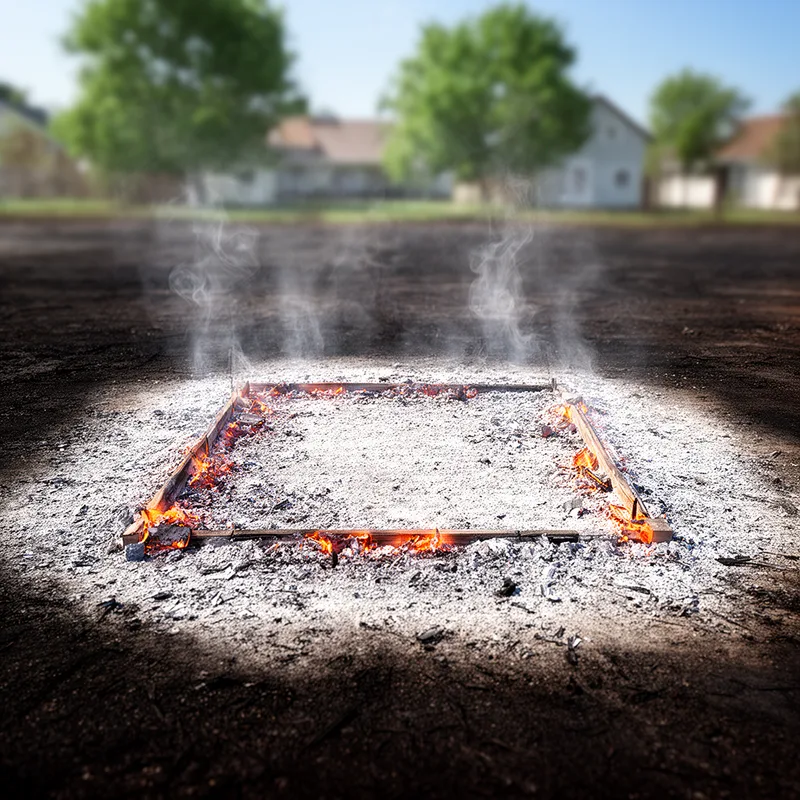
The fire caused obliterative damage to the entire forest, leaving nothing but ashes.
-
Complications occur as a result of the expansile and obliterative nature of the disease process.
Academic text (2008) -
Worsey et al. concluded that unilateral exploration in primary hyperparathyroidism is safe, cost-effective, and avoids obliterative scarring of the contralateral neck.
Academic text (2001) -
The surgery was necessary due to the obliterative growth that was threatening her health.
Synonyms

 243
4.2
243
4.2

Causing great damage or harm

Causing total destruction

Something that destroys completely, like a powerful bomb

Something that causes complete destruction or total defeat

Intended to destroy things completely

A medical treatment that removes diseased tissue or an organ
Antonyms

How Destructive

Surface Forms
Morphology
obliterative = obliterate (transparent) = obliterate + ive
Formed from the verb 'obliterate' with the adjective-forming suffix '-ive' giving a clear meaning 'causing or relating to obliteration'.
Etymology
Obliterative comes from the Latin parts ob- ('away') and littera ('letter'), originally meaning to 'erase letters'. So, obliterative describes something that wipes out or removes something completely.