

obliquus
- noun
- /əˈblɪk.wəs/
- Specialized
- In anatomy, the term 'obliquus' refers to various muscles with slanting fibers in the abdomen.
Examples
-
The obliquus muscle plays a crucial role in stabilizing the core during physical activities.
-
These very small cells resembled unicellular forms of the freshwater species Scenedesmus obliquus.
Academic text (2008) -
DIAGRAM: FIGURE 5: Differences in female and male lower extremity alignment. VMO = vastus medialis obliquus.
Academic text (2002) -
Exercises that target the obliquus muscles can help improve posture and reduce back pain.
Synonyms

 2
7.6
2
7.6

A muscle on each side of the belly that helps twist and bend the body
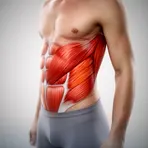
A flat muscle on the outside of the belly that helps twist the body and tighten the stomach area

A flat muscle on each side of the stomach that helps twist the body and pull in the waist

A flat slanted muscle on each side of the belly that helps turn and support the upper body
Compounds
- Specialized
A flat muscle on the outside of the belly that helps twist the body and tighten the stomach area
Surface Forms
Etymology
Obliquus as a muscle name comes from the Latin obliquus, meaning 'slanting', because these muscles run diagonally across the body, like the English word oblique says. So the obliquus muscles are named for their slanted fibres and their role in twisting or bending to the side.