
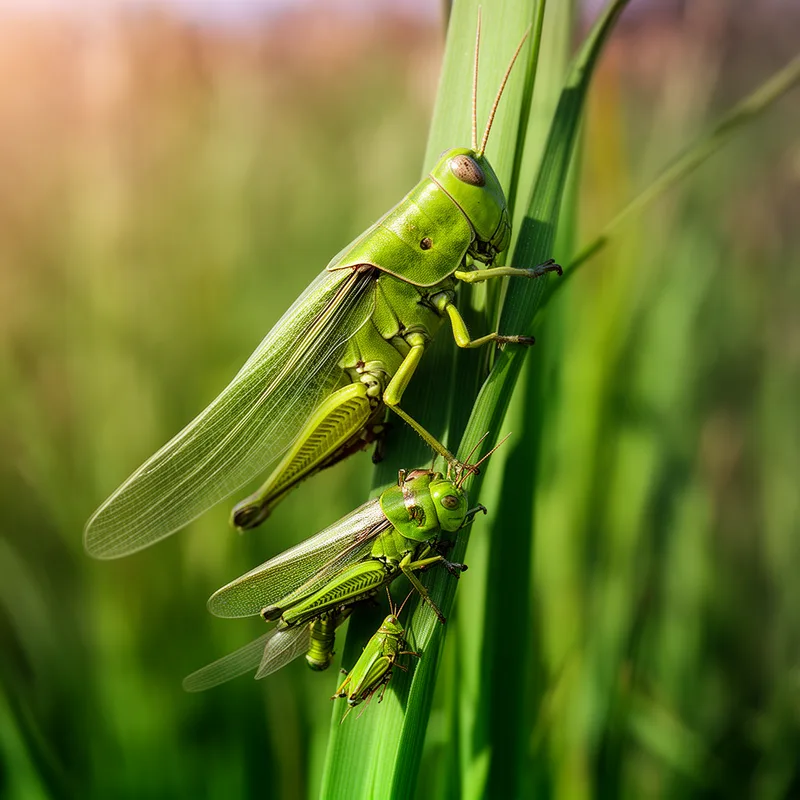
nymph
 5
8.5
5
8.5

- noun
- /nɪmf/
- Specialized
- Spends 17 years dormant underground, and then the cicada nymph emerges and sheds its skin.
- questing nymphs
- nymphs and adults
- molted nymphs
Loading YouTube…
Watch on YouTubeThey hatch into a nymph, but then hatches into the fully mature earwig.
- They hatch into a nymph, but then hatches into the fully mature earwig.
Examples
-
A nymph is an early stage in the life of an insect.
-
Most mayfly species stay in this nymph stage and feed underwater for nearly an entire year.
-
A bug in its nymph phase.
-
The nymph requires a blood meal in order to develop into a mature adult.
Academic text (2011) -
The nymph and adult stages of the tick will feed on larger mammals, including humans.
Academic text (2011) -
Then they lay their eggs in the curl, where their young, called nymphs, feed and develop on the soft tissue.
Academic text (2002) -
Both the adults and young, or nymphs, feed on melaleuca sap.
Academic text (1997) -
Because of their small size, these nymphs often escape detection long enough to transmit B. burgdorferi (16).
Academic text (2014) -
Their young, called nymphs, live in water on submerged vegetation or on the bottoms of ponds or ditches.
Academic text (1993) -
Most dragonflies go through several nymph stages before becoming adults.
Antonyms


Compounds




- Specialized
A water plant with thin leaves that grows in fresh or slightly salty water
How Mature

Surface Forms
Etymology
Nymph comes from the Greek word nymphē, which meant 'young woman' or 'bride'. Scientists use nymph for the young stage of some insects because it is the 'young' form before the adult, so a nymph is a young insect that later grows into the adult.