
numen
 1
9.9
1
9.9

- noun
- /ˈnjuːmən/
- Specialized
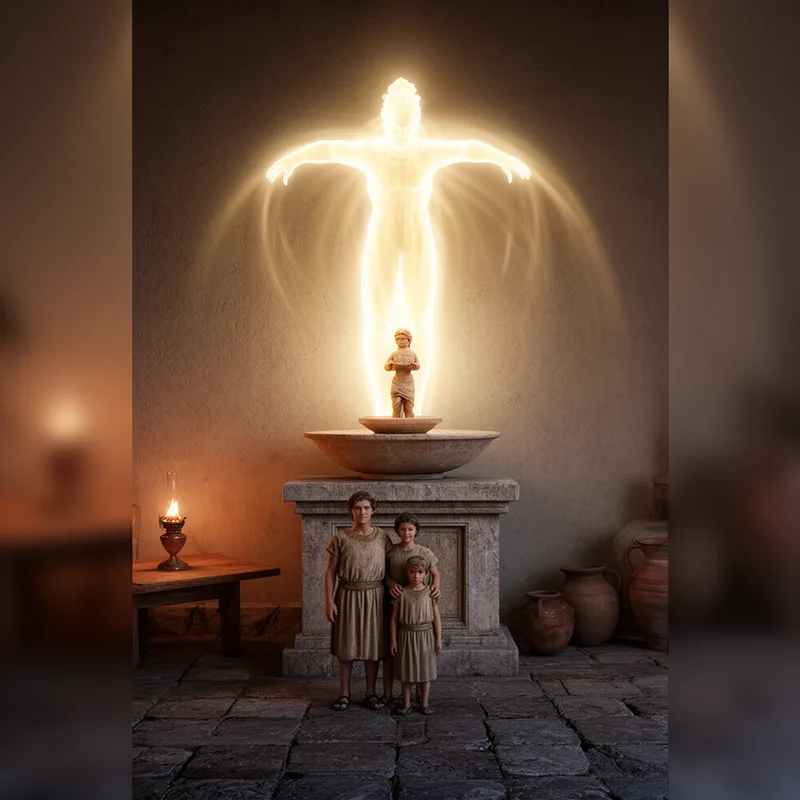
- The ancient Romans believed that every numen had the power to bless or curse the people and places around them.
Loading YouTube…
Watch on YouTubeWe move beyond the world, not only to any old numina or a thing in itself, but to the Supreme Being.
- We move beyond the world, not only to any old numina or a thing in itself, but to the Supreme Being.
- What is the relation of reason to the numina?
- And he goes out a little bit and then he's going to talk about Numina in this preparatory remark to the dialectic of of pure reason.
Examples
-
In ancient Roman religion, each grove and stream was thought to be inhabited by a numen that influenced the natural world.
-
Because nomen crystallizes numen, it follows that all language must have at least some capacity to personalize abstractness.
Academic text (1997) -
We move beyond the world, not only to any old numina or a thing in itself, but to the Supreme Being.
-
To deify was to channel vague potentiality into language, to turn numen into nomen.
Academic text (1997) -
"Gods are made more potent and ultimately more godly when numen is concretized and thus made worshipable.
Academic text (1997) -
The Ritual of 'Being a Rabbi' in Later Sasanian Babylonia, "Numen, Vol. 17, Fasc. 1, Feb. 1970, pp. 3-4.
Blog text (28) -
Rituals were often performed to honor the numen of the household, ensuring peace and prosperity for the family.
How Sacred

Surface Forms
Etymology
Numen comes from the Latin word numen, which meant a 'nod' by a god to show their will or approval. So a numen is like a quiet godly power or spirit in a place or object, as if the god had 'nodded' and given it power.