
noseless


 1
8.9
1
8.9
- adjective
- /ˈnoʊzləs/
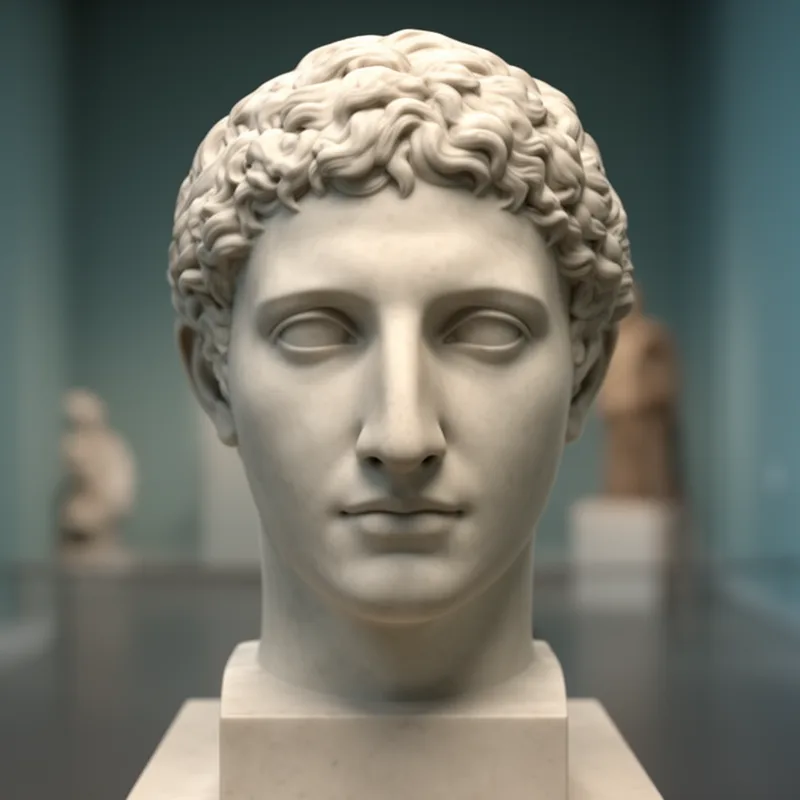
- In the museum, I was struck by the ancient sculptures that displayed noseless figures, remnants of a bygone era.
- noseless face
Examples
-
The statue stood proudly, despite its noseless face, a testament to the artistry of its creator.
-
As I approached the motor coach, the noseless man spoke again.
Academic text (2001) -
And then, later, in Scotland, to see the awful noseless faces, the ruined abbey walls...
Fiction book (1996) -
And I remember my visit years ago to Scotland, remembering seeing the wreckage, the devastation of ancient abbeys and churches, the statues of saints left noseless and sometimes headless and armless by the furious dissenters.
Fiction book (1996) -
The horror movie featured a terrifying creature with a noseless visage that haunted the dreams of its victims.
Antonyms

Surface Forms
Morphology
Etymology
The word noseless is simply nose + -less, where nose is the face part and -less means 'without', as in harmless or homeless. So, noseless means 'without a nose' and is used for people, animals, or things that have no nose.