
nonspecificity
- noun
- /ˌnɑnspɪˈsɪfɪsɪti/
- Specialized
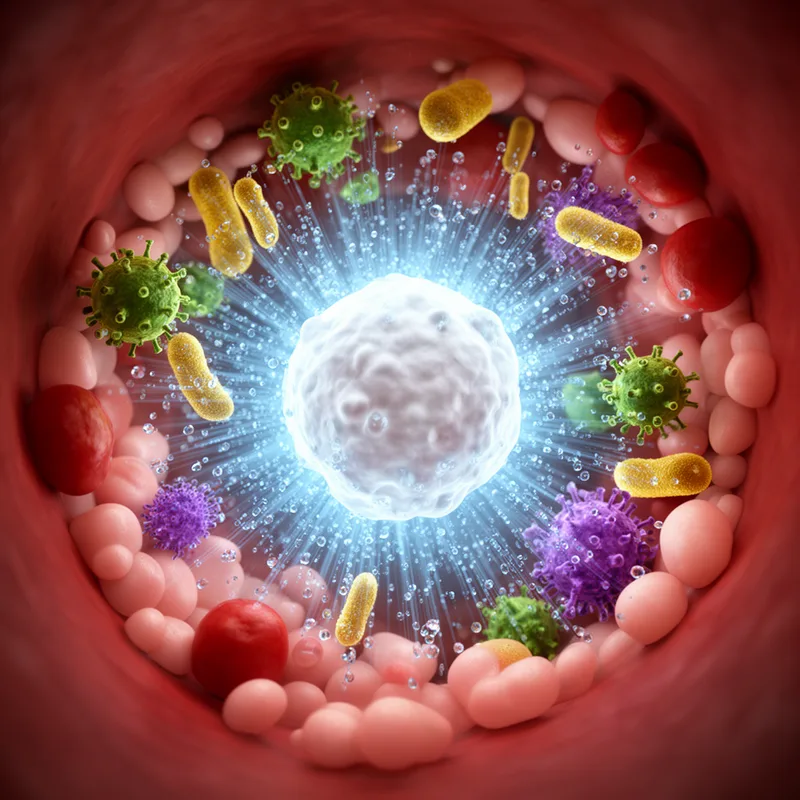
- Because of its nonspecificity, the therapy may affect both harmful and beneficial cells.
Examples
-
The nonspecificity of the treatment allowed it to target a wide range of infections.
-
Researchers noted the nonspecificity in the immune response after administering the new drug.
-
The nonspecificity of the immune response can sometimes lead to unintended effects.
-
Nonspecificity is important in certain medical treatments.
-
The nonspecificity of the immune response often results in the body attacking both healthy and sick cells.
-
Doctors are concerned about the nonspecificity of the treatment, as it may not solely target the disease.
-
The nonspecificity of the vaccine makes it effective against various strains of the virus.
Antonyms


How Specific
- Specialized
 157
4.2
157
4.2
 12
7.0
3
6.3
8
6.1
12
7.0
3
6.3
8
6.1
- Specialized
Surface Forms
Morphology
nonspecificity = nonspecific (transparent) = non + specific + ity
Formed by adding the noun-forming suffix '-ity' to the adjective 'nonspecific', yielding the straightforward meaning 'the quality of being nonspecific'.
Etymology
Nonspecificity comes from non- meaning 'not' and specific meaning 'exact' or 'about a particular type', the same part you see in species. So in medicine nonspecificity means a treatment or immune response is 'not aimed at one thing' but acts more broadly.