
noninvasiveness
- noun
- /ˌnɒnɪnˈveɪsɪvnəs/
- Specialized
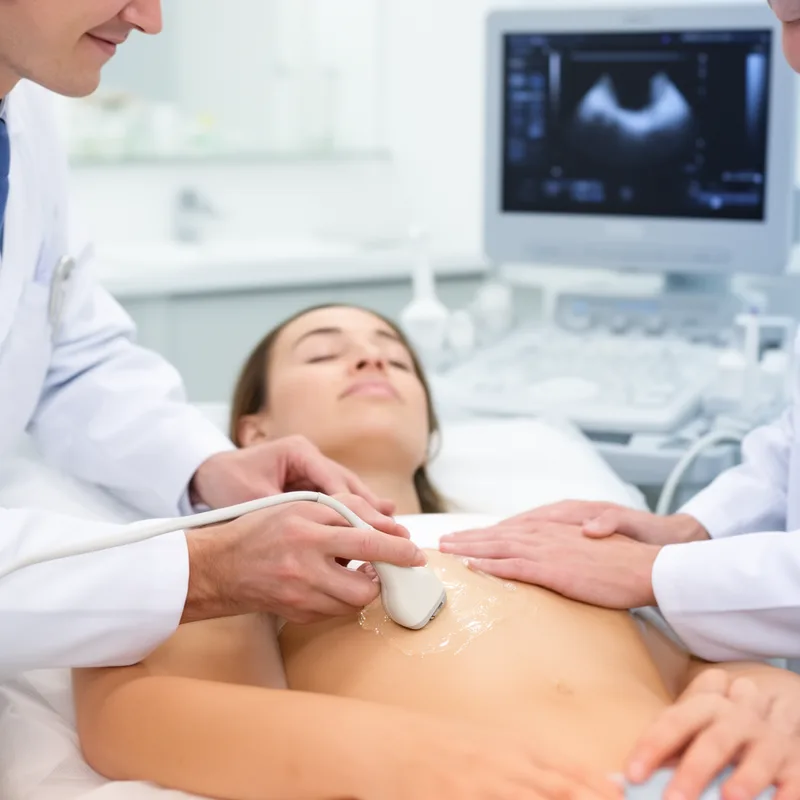
- The noninvasiveness of ultrasound makes it a preferred option for many diagnostic tests.
Examples
-
Researchers highlighted the noninvasiveness of the new technique as a major advantage over traditional surgery.
-
Doctors prefer techniques with high noninvasiveness to minimize patient discomfort.
-
Many patients prefer treatment methods that emphasize noninvasiveness to reduce risk and discomfort.
-
The noninvasiveness of the procedure is a significant advantage.
-
Many patients prefer treatment methods that emphasize noninvasiveness to reduce risk and discomfort.
-
Researchers highlighted the noninvasiveness of the new technique as a major advantage over traditional surgery.
-
The noninvasiveness of ultrasound makes it a preferred option for many diagnostic tests.
Antonyms

How Invasive
- Specialized

- Specialized
Surface Forms
Morphology
noninvasiveness = noninvasive (transparent) = non + invasive + ness
Formed by adding the noun-forming suffix '-ness' to the adjective 'noninvasive', a standard and transparent derivation.
Etymology
Noninvasiveness begins with non- meaning 'not' and uses invasive from invade, which means 'to enter' or 'attack'. So noninvasiveness is the quality of 'not entering' the body, which is why it describes medical methods that avoid cutting or putting tools inside a patient.

