
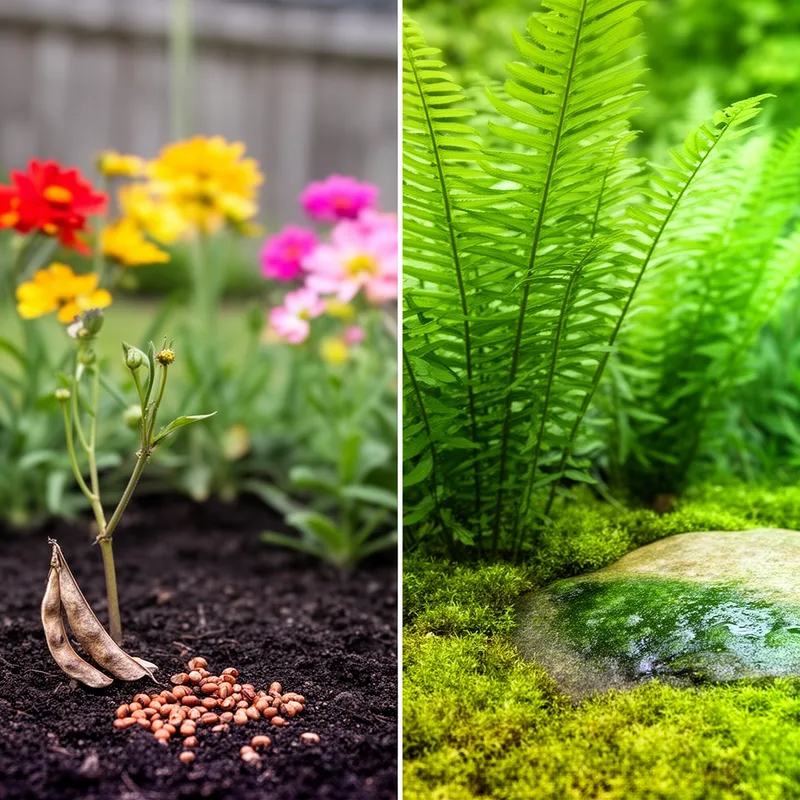
nonflowering
- adjective
- /nɒnˈflaʊərɪŋ/
- Specialized
- Moss is an example of a nonflowering plant that reproduces using spores instead of seeds.
- nonflowering plants
Examples
-
Ferns are a common type of nonflowering plant found in forests.
-
Mosses and algae are classified as nonflowering plants in biology.
-
The garden has both flowering and nonflowering species for variety.
-
The nonflowering plants are often easier to care for.
-
Some nonflowering species thrive in shady areas.
-
Many ferns are considered nonflowering because they do not produce flowers or seeds.
-
The nonflowering plants in this garden thrive in shady areas where flowering species struggle.
Synonyms

A plant that does not make blooms or seeds
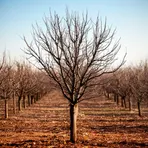
Not having flowers and showing no sign of new growth or promise
Antonyms

Compounds

- Specialized
A plant that has tubes that carry water and food and makes spores instead of flowers or seeds
How Blooming


Surface Forms
Morphology
Etymology
Nonflowering is made from the prefix non- meaning 'not' and flowering from flower, the plant part that makes seeds. So a nonflowering plant is one that does not make flowers or seeds.