
nonconservation
- noun
- Specialized
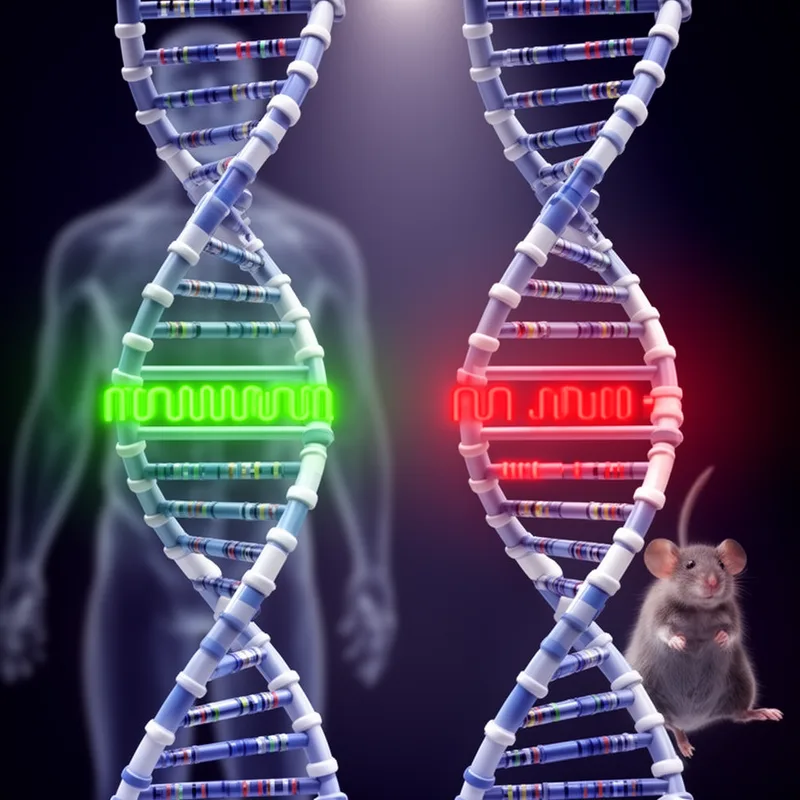
- Researchers noted the nonconservation of certain protein domains between humans and mice.
Examples
-
The nonconservation of this gene suggests it may not be essential in all mammals.
-
The study focused on the nonconservation of regulatory elements in different species.
-
The study highlighted the issue of nonconservation in genetic sequences.
-
In certain species, nonconservation can lead to significant evolutionary changes.
-
The nonconservation of certain genes among these species indicates a divergence in evolutionary paths.
-
Studies revealed the nonconservation of specific molecular functions between zebrafish and humans.
-
Noticing the nonconservation of traits in the analyzed sequences helps understand evolutionary adaptations.
How Conserved


Surface Forms
Morphology
nonconservation = conservation (semi-transparent) = non + conservation
Formed by the productive negative prefix 'non-' + 'conservation', but the biological sense 'evolutionary conservation' is technical and may not be obvious to general learners.
Etymology
The word nonconservation is made from non- 'not' and conservation, which comes from conserve 'to keep'. So in biology it means a gene, structure, or function is 'not kept the same' between species, explaining why it is not preserved across evolution.