
non-language
- adjective
- /nɒnˈlæŋɡwɪdʒ/
- Researchers studied how infants respond to non-language cues like facial expressions and tone of voice.
Examples
-
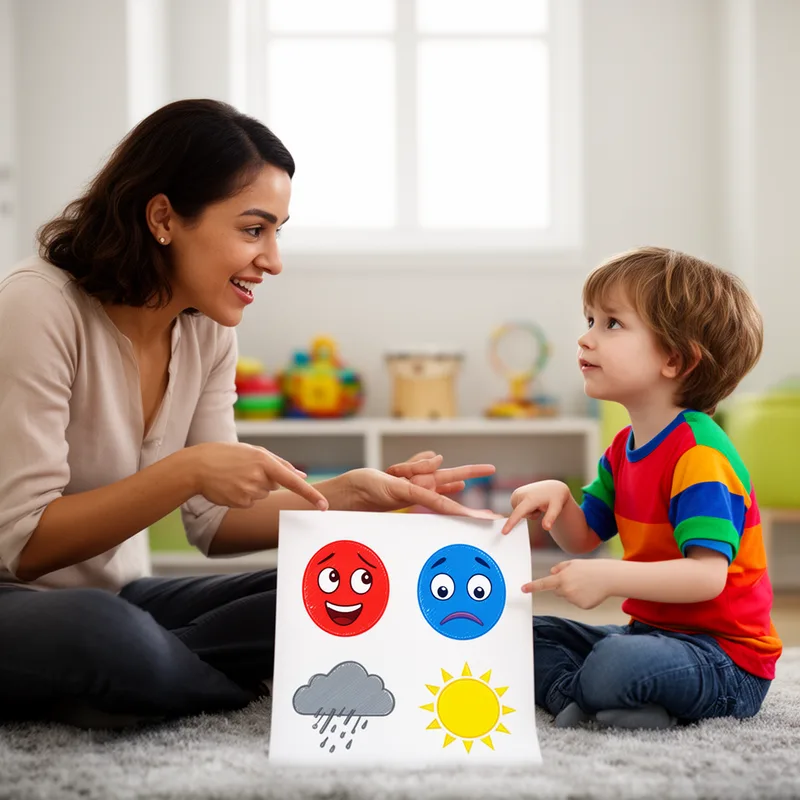
The therapist used non-language communication, such as hand signals, to help the child express feelings.
-
Art and music are powerful forms of non-language expression that can convey deep emotions.
-
Her non-language cues were very expressive.
-
The artist used non-language elements in her work.
-
The therapist used non-language communication, such as hand signals, to help the child express feelings.
-
Researchers studied how infants respond to non-language cues like facial expressions and tone of voice.
-
Art and music are powerful forms of non-language expression that can convey deep emotions.
Synonyms

Not about language, for example gestures and facial expressions

Not expressed in words but shown by actions or silence

Not about words or word meanings and often about sounds and grammar
How Linguistic


Surface Forms
Morphology
Etymology
Non-language combines non- 'not', as in nonfiction, and language 'spoken or written words', so it describes communication that is not words, such as gestures, images, or tone of voice.