
nitrification
- noun
- /ˌnaɪtrɪfɪˈkeɪʃən/
- Specialized
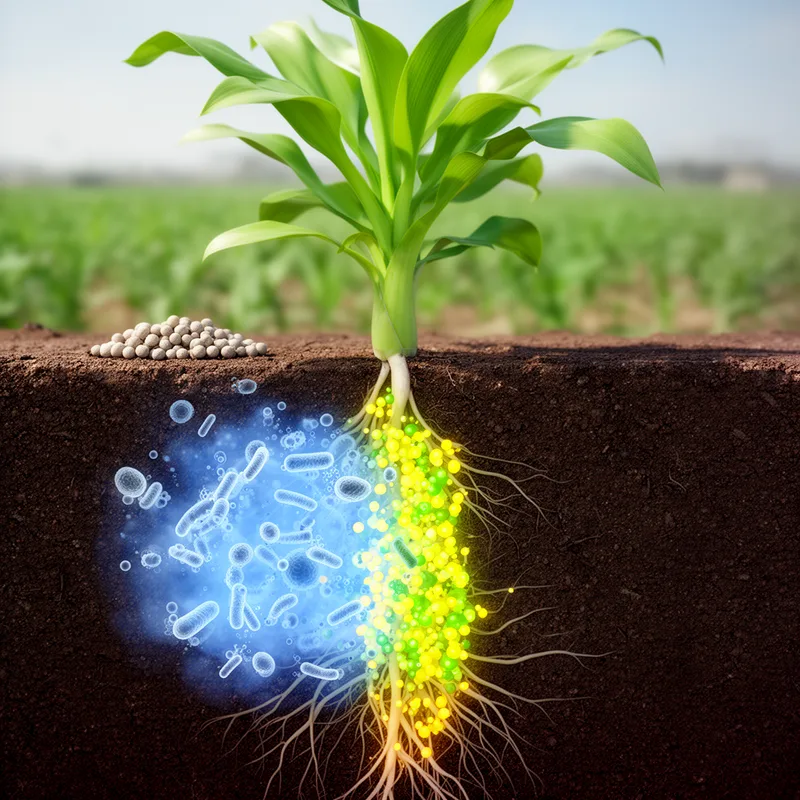
- The transformation to nitrate through the process of nitrification occurs in the soil.
- nitrification and nitrate
- nitrification and mineralization
- nitrification and denitrification
Examples
-
In the nitrification phase, ammonia is oxidized by aerobic bacteria into nitrite and nitrate.
Academic text (1996) -
Furthermore, ammonium is oxidized to nitrate (nitrification) within the reservoir of inorganic nitrogen.
Academic text (1994) -
Central to most responses was the induction of, or increase in, net nitrification.
Academic text (1998) -
Sufficient oxygen needs to be provided to achieve nitrification of the sludge.
Academic text (1998) -
Engineering textbooks tell a simple story about nitrification and denitrification.
Academic text (2008) -
Stage 2 includes the induction of nitrification and some nitrate leaching, although growth is still high.
Academic text (1998) -
If the nitrification is allowed to continue unchecked, then a pH drop will occur in the digester.
Academic text (1998) -
Plant roots in the filter complement its functioning by providing filtration and aerobic microsites for nitrification.
Academic text (1998) -
Drying of riparian soils actually fosters nitrification, an aerobic process that produces NO3 (figure 4).
Academic text (2008) -
Nitrification is essential for soil health, as it converts ammonium into usable nitrates for plants.
Surface Forms
Morphology
nitrification = nitrify (opaque) = nitr + ification
The word is a technical noun built from the verb 'nitrify' plus the noun-forming suffix '-ification', but the specialized scientific meaning is not readily inferable for an average learner.
Etymology
The word nitrification comes from the parts nitri- meaning 'nitrogen' and -fication meaning 'making' or 'process'. So nitrification is the process that makes nitrogen into nitrate forms in soil, which is why it helps plants get the nitrogen they need.

