
necrological


 1
9.8
- adjective
- /ˌnɛkrəˈlɒdʒɪkəl/
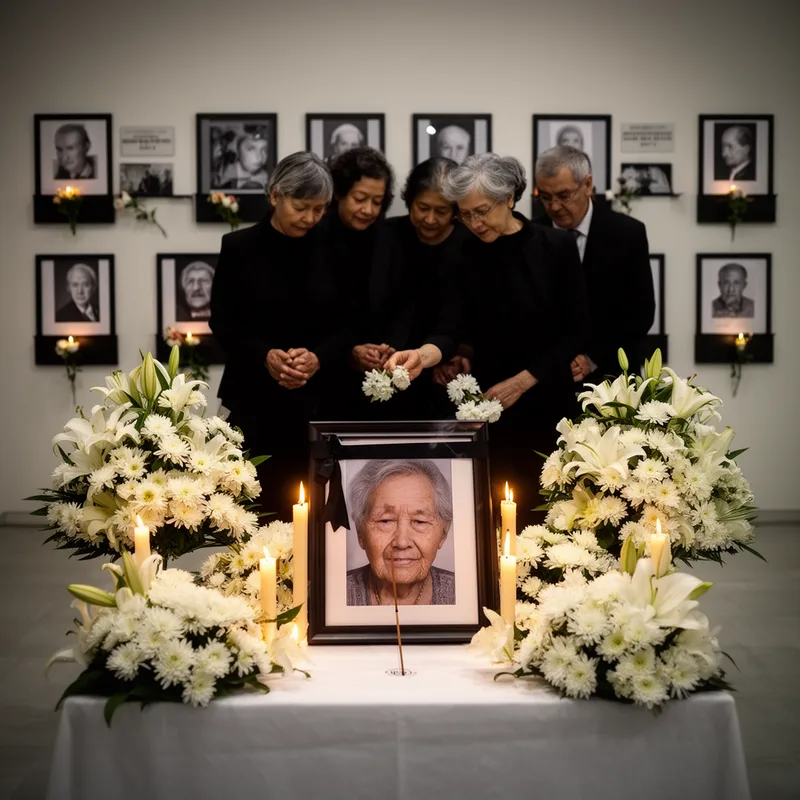
- The ceremony included several necrological traditions passed down through generations.
Examples
-
The necrological report detailed the causes of death for each individual.
-
A necrological study revealed much about the society's attitudes toward death.
-
The historian gave a necrological account of the burial customs of ancient civilizations.
-
He studied necrological trends in urban populations.
-
The necrological report provided detailed information about the lives of those who had recently passed away.
-
The newspaper published a necrological section that included the obituaries of the local community.
-
As part of her research, she studied necrological records to understand the trends in mortality rates.
Surface Forms
Morphology
Etymology
Necrological comes from the Greek part necro- meaning 'dead' and the part -logical, like in biology, meaning 'study'. So necrological refers to things about death, such as obituaries or the study and record of deaths.