
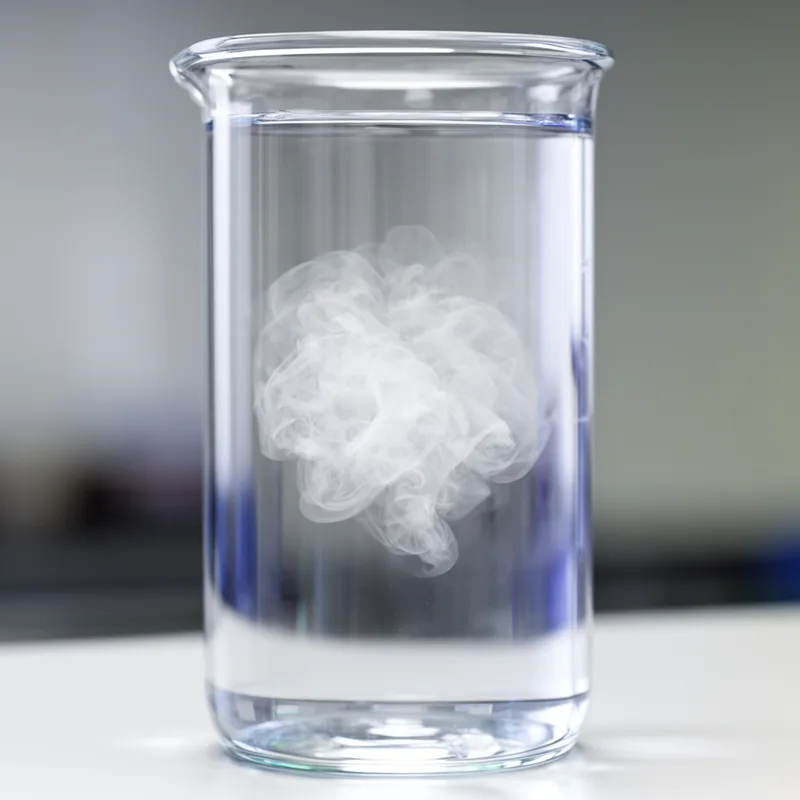
nebulosity
 1
9.8
1
9.8

- noun
- /ˌnɛbjuˈlɑsɪti/
- Specialized
- Through a telescope at low power, three major dark lanes trisect the nebula into bright islands of nebulosity, giving the object an almost three-dimensional appearance.
- a bright patch of nebulosity
Examples
-
The LMC abounds with nebulosity, or HII regions, with none more spectacular than the Tarantula Nebula (NGC 2070).
Academic text (2002) -
To the naked eye, it appears as a bright patch of nebulosity nearly 10 degrees (20 full moons) in diameter.
Academic text (2002) -
In this image, light from the star reflects off the surrounding dusty nebulosity.
Academic text (1994) -
Faint wisps of nebulosity can be seen around the brighter stars.
Academic text (1992) -
The SMC appears as a patch of nebulosity 3.5 degrees in diameter.
Academic text (2002) -
But in recent years, other scientists have concluded that the nebulosity results from a chance encounter between the star cluster and an independent cloud of gas and dust.
Academic text (1992) -
The large, bright area of nebulosity to the left of center is 30 Doradus (also known as the Tarantula Nebula).
Academic text (1992) -
Their discovery of the bright nebulosities now known as Herbig-Haro objects posed a puzzle for the astronomers of their day.
Academic text (1995) -
He said of the Andromeda Nebula, "the stars which are scattered over it appear to be behind it, and seem to lose part of their lustre in the passage of light through the nebulosity."
Academic text (1993) -
The astronomer captured a stunning image of the nebula, showcasing its beautiful nebulosity in vivid colors.
Synonyms
 5
8.1
5
8.1
A thick darkness that makes it hard to see


 1
3.2
1
3.2
A liquid or the sky that is not clear because it has small bits in it
 1
5.9
1
5.9
Cloudy darkness that makes it hard to see through water or air
A quality of looking like a cloud of gas in space
A small cloud or thin mist that floats in the sky

A state when the air is full of mist and looks cloudy

A thin cloud near the ground that makes things hard to see

A cloudy state in water or a photo that makes it hard to see through

A lot of fog in the air that makes it hard to see
Antonyms


How Cloudy

Surface Forms
Morphology
nebulosity = nebulous (transparent) = nebul + ous + ity
Formed from the adjective 'nebulous' + '-ity', meaning the state or quality of being cloudlike or hazy; the physical/cloud sense is directly derived.
Etymology
Nebulosity comes from the Latin word nebula meaning 'mist' or 'cloud', the same root as the common English word nebula. So a nebulosity is a cloudy or hazy mass, like the mist around a star or a patch of cloud in a liquid.