
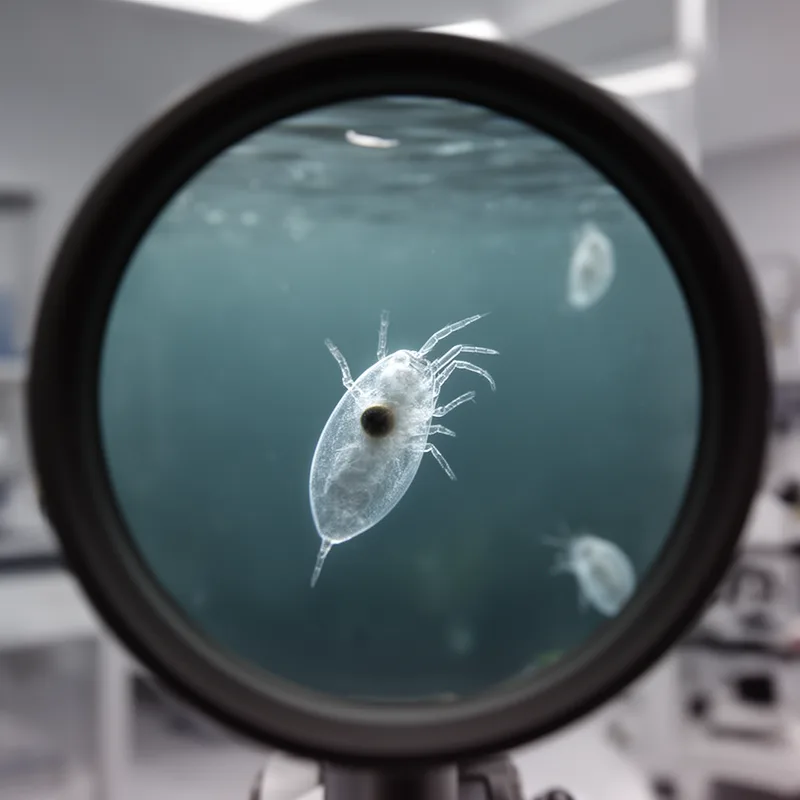
nauplius


 1
9.9
- noun
- /ˈnɔːpliəs/
- Specialized
- Barnacles, for example, first develop in the plankton as feeding nauplius larvae but eventually metamorphose to a nonfeeding, terminal larval stage, the cyprid (Figure 3).
Examples
-
The nauplius is the first larval form of shrimp, characterized by its simple body and limited limbs.
-
The sixth stage nauplius metamorphoses into a nonfeeding cyprid larva, which usually metamorphoses into adult form and habitat only after encountering other barnacles of its own species.
Academic text (1998) -
(a) Adult barnacles on an exposed intertidal rock and (b) the planktonic nauplius stage of a barnacle.
Academic text (2009) -
During their life cycle, many crustaceans begin as a nauplius, a tiny larva that swims in the ocean.
-
After hatching, the nauplius stage of a crab develops into more complex forms as it grows.
Surface Forms
Etymology
The word nauplius comes from a Greek root naus meaning 'ship', the same root in nautical and navy. A helpful image is a 'little sailor' because a nauplius is the tiny, swimming first stage of shrimp and crabs.