
natriuretic


 1
9.9
- adjective
- /ˌnætrɪˈjʊərɛtɪk/
- Specialized
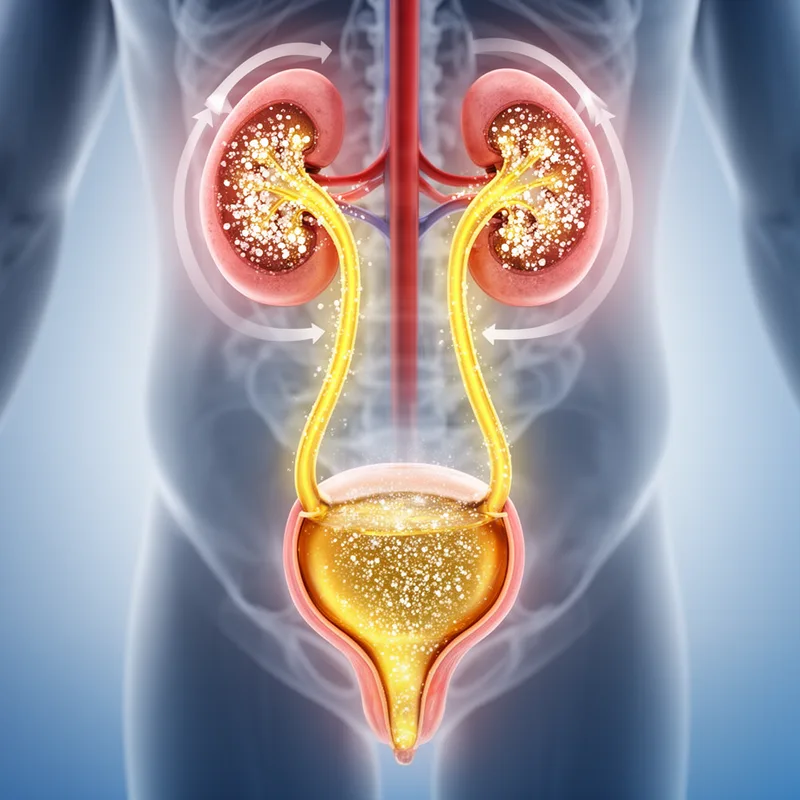
- Atrial natriuretic peptides help regulate sodium levels in the body by promoting its excretion in urine.
- natriuretic peptide
- natriuretic peptide level
- natriuretic effects
Examples
-
She also had a normal brain natriuretic peptide level (BNP) at 92 pg/ml.
Academic text (2007) -
Enrollment of patients into a multicenter randomized blinded placebo-controlled trial of the efficacy of intravenous atrial natriuretic peptide has just been completed.
Academic text (1995) -
Atrial natriuretic peptide: no effect, low quality.
Academic text (2016) -
As yet, there is no clear Brain natriuretic peptide (BNP).
Academic text (2011) -
In patients with no history of myocardial infarction, measurement of serum natriuretic peptides such as brain natriuretic peptide (BNP) should be done.
Academic text (2011) -
The doctor explained that taking the medication could have a natriuretic effect, leading to increased urination.
-
Research shows that natriuretic hormones play a crucial role in fluid balance and blood pressure control.
Antonyms

Surface Forms
Morphology
natriuretic = natriuresis (opaque) = natriuresis + tic
Formed from the technical noun 'natriuresis' by adjectival suffixation; the base and combining forms are highly specialized and not known to average learners.
Etymology
Natriuretic breaks into two parts: natri-, from an old word for the substance we now call 'sodium' and often think of as 'salt', and -uretic, which is related to 'urine' and 'urinate'. So a natriuretic drug or hormone helps the body put 'sodium' into the 'urine' and so causes the body to remove salt and water.