
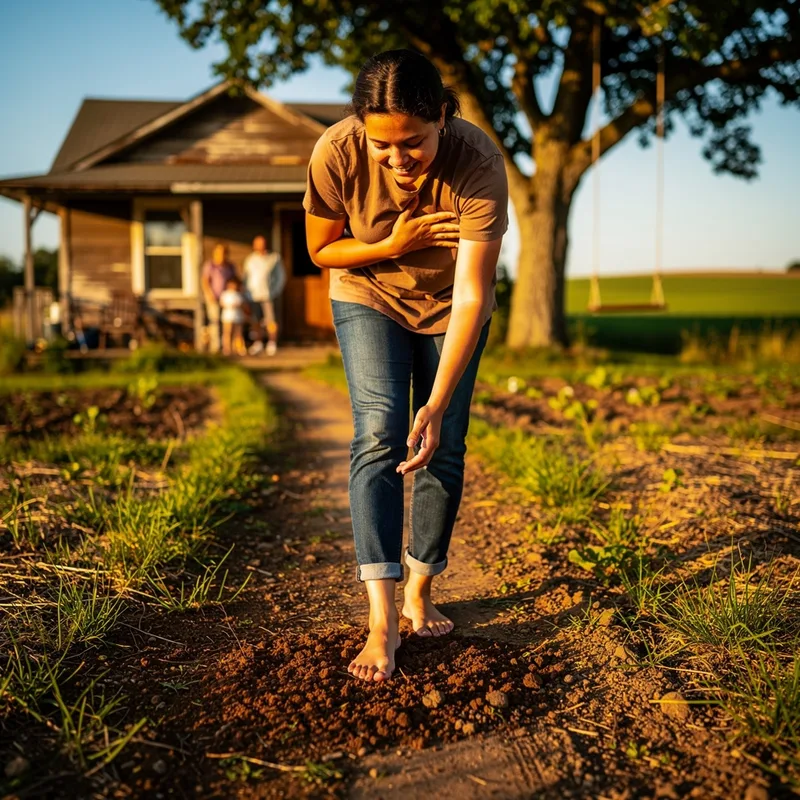
native soil
 1
4.4
1
4.4

- noun
- But you can never again set foot on your native soil.
Examples
-
These warriors, who died far from home, could not be taken back to their native soil for burial.
Academic text (2011) -
Wasn't that what people in novels did when they returned to their native soil after a long absence?
Fiction book (1997) -
Then he must have brought his native soil with him, boxes of it.
-
Well... ...at least I'll be buried in native soil.
-
He wants to go back to die on his own native soil.
-
Warren will be buried on his native soil of Kansas City.
Blog text (7) -
But then six months turned into a year, and a year into five years, and now it will be eight years in January since I last walked on native soil.
Fiction book (2001) -
We're giving him a memorial here in Poland... ... on the soil of the country he defended so resolutely during his lifetime... ... before we return him to his native soil, to the country he loved so dearly.
-
Lebanon, thus, became the land of refuge for dissidents of all types from the Arab world and the Middle East at large: artists, politicians, populations that had to flee from their native soil (Armenians, Kurds, Palestinians, and others).
Academic text (1993) -
He wants to go back to die on his own native soil.
Synonyms
 177
3.1
177
3.1
The country where someone is born or where they feel they belong
 22
4.6
22
4.6
The country where you were born or that you feel strongly connected to
 12
7.4
12
7.4
The country where a person is born or feels strong loyalty to
 9
3.6
9
3.6
A country where a person was born and still feels at home
 3
3.5
3
3.5
The country where you were born or the one you feel most connected to
 1
7.9
1
7.9
A person's native country that they love


 1
3.6
1
3.6
A place or culture a person comes from and feels connected to
 1
4.4
1
4.4
A house or piece of land where someone grew up and that has family memories

A hometown that someone feels warm about and misses when they are away
How Emotional

Surface Forms
Morphology
The meaning 'one's homeland' is directly and compositionally built from 'native' (originating from a place) + 'soil' (land/territory); although slightly poetic, the sense follows normal noun + noun composition. Similar expressions exist in many languages (e.g. 'terre natale', 'tierra natal'), so a B1 learner who knows the constituents would readily infer the MWE meaning.
Etymology
Native soil creates a simple picture: native means born there and soil is the earth under your feet. Being back on that ground feels like being home, so the phrase now means 'homeland' or 'place of origin'.