
mutualist
- noun
- /ˈmjuːtʃuəlɪst/
- Specialized
- For example, Eggerton-Warburton and Allen (2000) reported that increased N deposition converts a species-rich arbuscular-mycorrhizal community into one that is dominated by small-spored mutualists.
Examples
-
Examples of one-to-one species linkages include species-specific pathogens, herbivores, predators, and mutualists, as well as species or functional groups that provide a key resource for another species or functional group.
Academic text (2000) -
Mutualists, whose presence enhances the fitness of both host and guest.
Academic text (2001) -
However, the species specificity of symbiotic associations can vary greatly, and many mutualists, parasites, and predators have broad host ranges.
Academic text (2000) -
Ants and aphids have a mutualist relationship, where the ants protect the aphids in exchange for the sweet honeydew they produce.
-
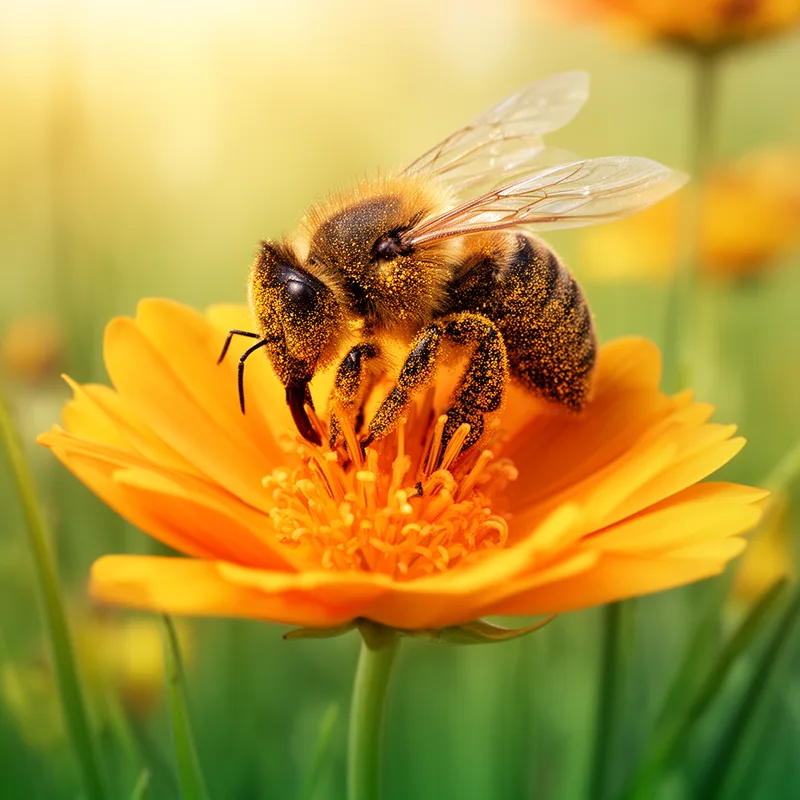
In ecology, a mutualist is an organism that helps another species while receiving benefits in return.
-
The clownfish and the sea anemone are mutualists; the clownfish gets protection while keeping the anemone clean.
Synonyms

 50
7.5
50
7.5

A living thing that lives very close to another living thing so both benefit
 34
7.5
34
7.5
An organism that lives closely with another and helps both survive
How Mutual

Surface Forms
Morphology
Etymology
Mutualist comes from mutual ('shared') plus -ist, and so it literally means 'one who shares' or 'one who has a shared relationship'. A mutualist in nature is a partner, like a bee or fungus, that helps another species and also gets help in return.