
to mumble
 1
8.9
1
8.9

- verb
- /ˈmʌmbəl/
- Archaic
Examples
-
He mumbles his food and has to be reminded to swallow.
Fiction book (1996) -
He heard Pearl mumble some of her baby gibberish and looked around the corner of the settee to see her seated on the floor.
Fiction book (1995) -
She was so worked up she couldn't form words; she just pointed at the food stand and mumbled gibberish like a baby.
Fiction book (1992) -
He had his own temple, via which he had made a fortune mumbling sutras at funerals.
Fiction book (1998) -
"What are you mumbling about?" Martha rubbed her cheek against the baby's coarse blanket.
Fiction book (1994) -
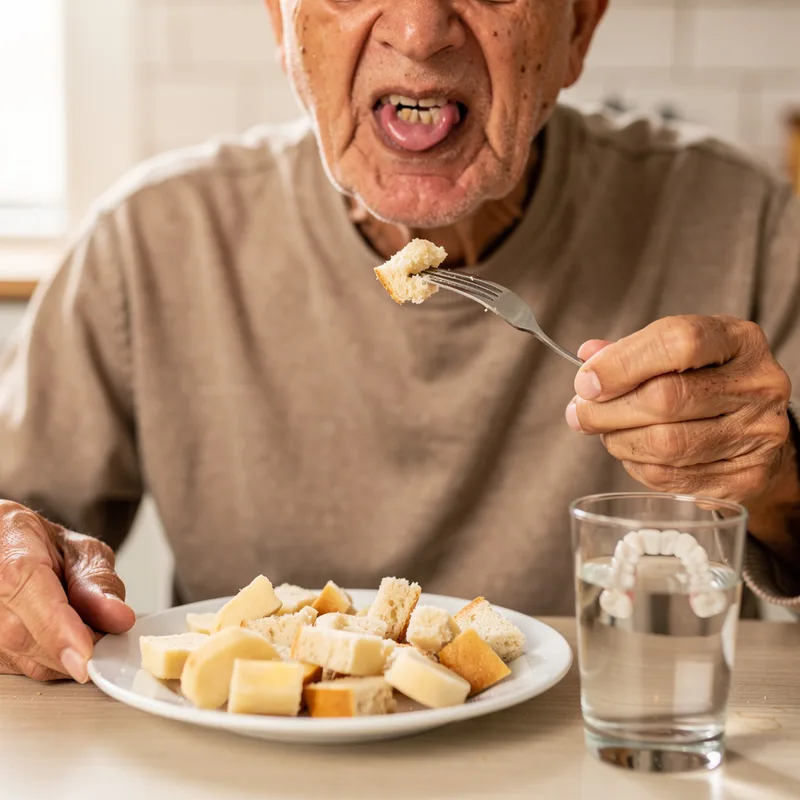
She was so tired that she could only mumble while chewing her food.
-
The baby could mumble as he struggled to eat without teeth.
-
He mumbled softly, moving his gums to get his breakfast down.
Synonyms
 1
9.1
1
9.1
To chew food slowly using the soft tissue around the teeth because they have few teeth
Compounds

- Archaic
A children's game where players throw a small knife to make it stick in the ground
Surface Forms
Morphology
Etymology
Mumble can also mean 'to chew with the gums', and a helpful way to remember this is to imagine the quiet mouth movement that makes a mumble sound when you have no teeth, so the word came to mean gently gumming food.