
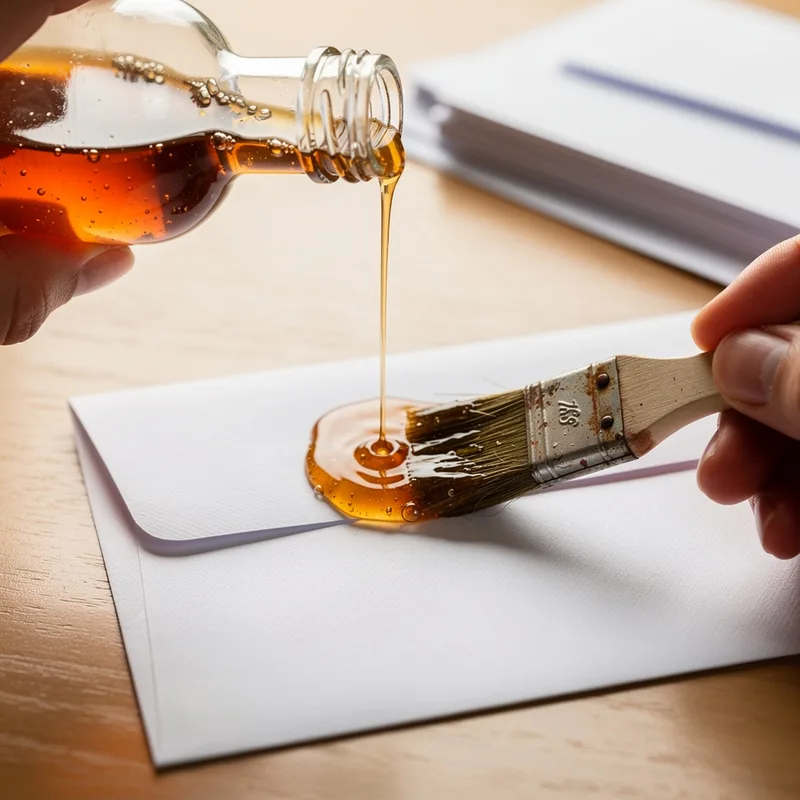
mucilage
 1
9.6
1
9.6

- noun
- /ˈmjuːsɪlɪdʒ/
- Specialized
- The mucilage from the okra plant is often used for its soothing properties in cooking.
- mucilage that soothes
Examples
-
Roots themselves release large amounts of organic materials into the soil as the rhizosheath decays and is replaced. Mucilages from roots and microorganisms have the capacity to stabilize soil structure in the rhizosphere by increasing the strength of the bonds among particles.
Academic text (2011) -
The edge of mucilage grows wider as each page glides off.
Fiction book (1990) -
She strips off the mucilage like it's a Band-Aid and throws the loose pages in the air.
Fiction book (1990) -
"I maintain the paints, the earths, the powders, the mucilages, the plants?"
Fiction book (1992) -
For example, goblet cells secrete mucilage for the protection of the intestinal mucosa and serve as structural components for the intestinal mechanical barrier.
Academic text (2015) -
Polysaccharide mucilages produced by microalgae moderate moisture conditions, with precipitation providing both moisture and nitrogen (Friedmann and Kibler 1980).
Academic text (1999) -
In herbal medicine, mucilage is recognized for its ability to coat and soothe irritated throats.
-
When mixed with water, the mucilage becomes a thick, sticky substance that is useful as an adhesive.
Synonyms
 214
1.0
214
1.0
A sticky substance used to join things together
 42
1.9
42
1.9
A sticky substance from plants or made in factories used to join things
 30
3.6
30
3.6
A sticky substance used to join two things together

 1
8.6
1
8.6
Thick glue made from water and flour or starch used to stick paper
How Sticky

Surface Forms
Etymology
The word mucilage comes from the old Latin word mucus, meaning 'mucus' or 'slime', so it is like a plant 'mucus', a slimy, sticky glue that plants make. That's why mucilage means a thick, sticky substance from plants often used as an adhesive or to soothe.