
to move along
 81
3.0
81
3.0

- phrasal verb
- /muːv əˈlɔːŋ/
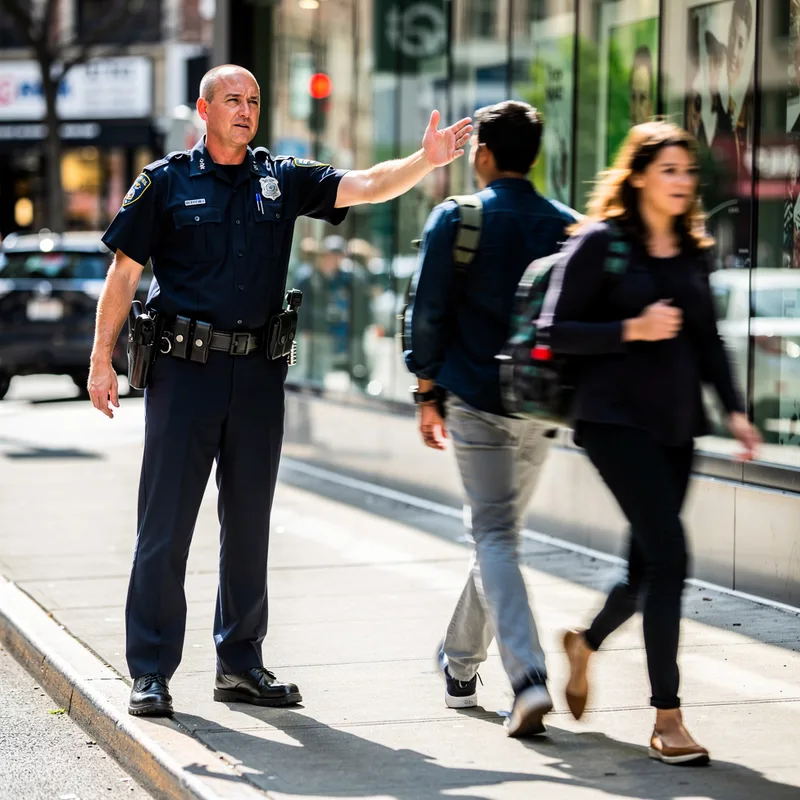
- The police officer told the crowd to move along to ensure everyone could pass safely.
- move along the track
Loading YouTube…
Watch on YouTubeHe likes that person and things are moving along well based off of that.
- He likes that person and things are moving along well based off of that.
- And his focus is on trying to move things along in that direction.
- All right, dude, we're moving along pretty good here.
- So and moving along, that's who he appointed chief of staff.
- OK, so I try to move along fairly quickly.
- This will definitely get you moving along the right lines.
- And again, the kids still have to, you know, move along at grade level, I think.
- So you know me, I can't just, I can't just move along.
- And as we move along more on what vision is, Yes.
- So I hear, but moving along, moving along.
Examples
-
And his focus is on trying to move things along in that direction.
-
Let's go, let's move along.
-
Next up, we're moving along to the eye.
-
Well, we got to move along with the program.
-
I think we should move along.
-
I come up to you and tell you to move along.
-
As a group, they begin moving along the service road above the crash site.
Fiction book (1993) -
All right, so let's move along to the guest portion of this episode.
-
So we're moving along nicely.
-
Hey, why don't we move along?
Synonyms
 ∞
1.0
∞
1.0
To move from one place to another, physically or in meaning
 ∞
1.0
∞
1.0
Take action to start or continue a process
 763
3.0
763
3.0
Begin or continue an action after a pause, often as planned
 264
2.3
264
2.3
To begin talking about a different topic or activity
 211
1.0
211
1.0
To move ahead in place, in time, or in progress
 161
4.4
161
4.4
Move forward without stopping or slowing down
 61
2.7
61
2.7
To start or continue something so it gets closer to a goal
 30
3.3
30
3.3
Move forward in a steady, determined way
 21
3.7
21
3.7
Move forward or keep going despite difficulty
 19
3.1
19
3.1
To keep making progress despite problems
 10
1.6
10
1.6
To go along a road or path
 3
3.7
3
3.7
To move forward steadily despite problems
 1
2.7
1
2.7
To move quickly in one direction
 1
3.9
1
3.9
To move very quickly along a road or path

Keep going despite problems or objections
Antonyms


How Fast

Surface Forms
Morphology
The meaning 'to go away or continue moving forward' is directly and transparently composed from 'move' (change position) + 'along' (continuing onward). This motion verb + particle construction is a common, predictable pattern in English (and mirrored in many languages), so a B1 learner who knows both words would readily infer the MWE meaning.
Etymology
Move along comes from the simple image of an officer or guard telling people to move along a street so they keep walking and do not stop and block the way. That's why today move along means 'go away' or 'keep going'.