
modulatory
- adjective
- /ˈmɒdʒʊlətɔri/
- Specialized
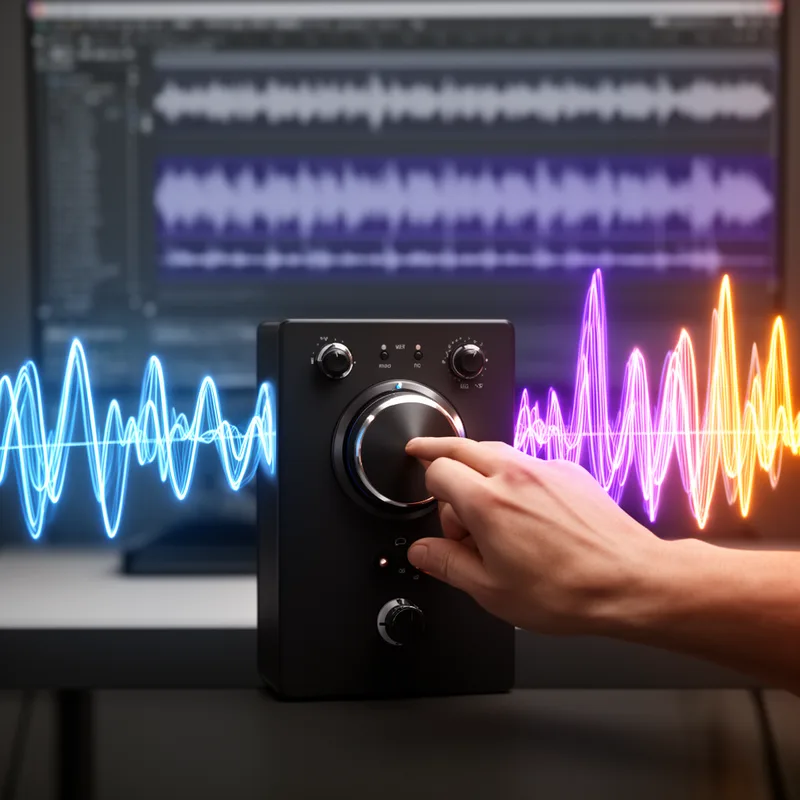
- A modulatory circuit can adjust the frequency of the output signal in electronic devices.
Examples
-
The modulatory effect of the filter changed the sound's character in the music track.
-
Researchers studied the modulatory role of certain chemicals in brain signal transmission.
-
The modulatory changes in the sound frequency were noticeable.
-
This device has a modulatory effect on the audio output.
-
The modulatory circuitry in the amplifier enhances the clarity of the audio signals.
-
His research focused on the modulatory effects of different frequencies on human speech perception.
-
In the experiment, the modulatory changes to the light intensity affected the plant growth significantly.
Antonyms




How Modulatory

Surface Forms
Morphology
modulatory = modulate (transparent) = modulate + ory
A standard adjectival formation from the verb 'modulate' with the productive suffix '-ory' yielding 'relating to or having the function of modulating'.
Etymology
Modulatory comes from the Latin modus 'measure' and the verb modulate 'to change a little', the same root as the common word moderate. So for sounds and signals, a modulatory effect 'changes' or 'controls' the pitch, loudness, or speed of the signal.