
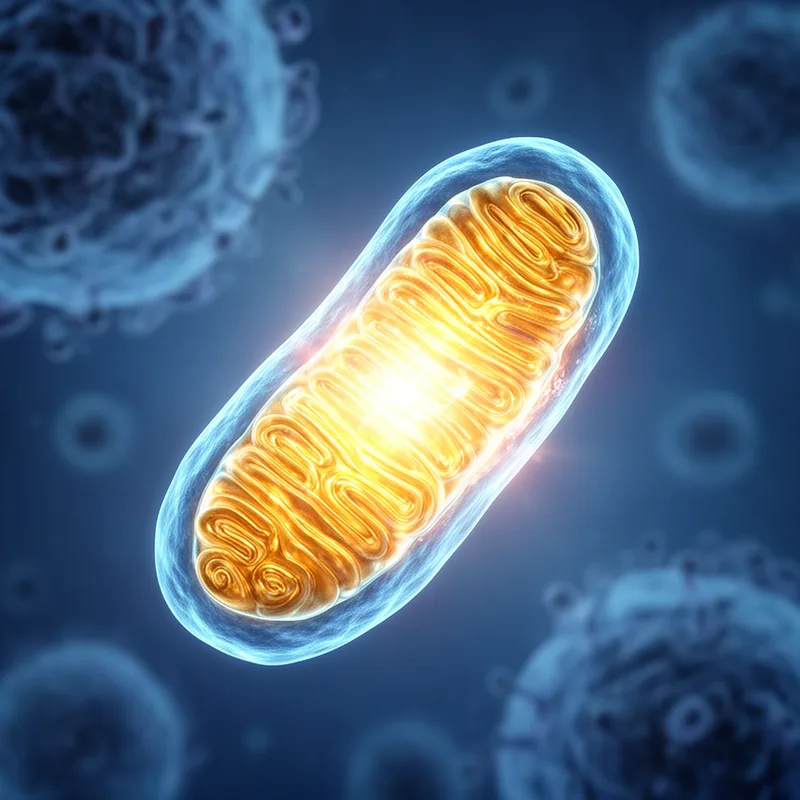
mitochondrial
 17
4.3

- adjective
- /ˌmaɪtəˈkɒndriəl/
- Specialized
- If you're having mitochondrial dysfunction, it means the body's not able to make what energy.
- mitochondrial DNA
- mitochondrial genes
- mitochondrial genome
Loading YouTube…
Watch on YouTubeIt improves ATP and mitochondrial function in muscle.
- It improves ATP and mitochondrial function in muscle.
- Most routine blood tests don't assess mitochondrial health or energy production.
- All of these things disrupt metabolism and mitochondrial function.
- So the net effect of fructose is to inhibit mitochondrial function.
- This process really helps maintain mitochondrial quality control and overall cellular health.
- And in the egg cell we might have half a million copies of mitochondrial DNA.
- If you have a weak mitochondrial toxin, what are you going to do?
- And this child had mitochondrial DNA disease, meaning he could never eat.
- In England it's been used to solve mitochondrial dysfunction.
Examples
-
In almost all species, mitochondrial DNA is passed down from only one parent.
-
Most routine blood tests don't assess mitochondrial health or energy production.
-
And as you know in the cell production to make energy, mitochondrial energy, you need food.
-
How does mitochondrial DNA fit into all of this?
-
And this child had mitochondrial DNA disease, meaning he could never eat.
-
Eating all day is destroying mitochondrial energy.
-
But what's happening at the cellular level is mitochondrial dysfunction.
-
All of these things disrupt metabolism and mitochondrial function.
-
It improves ATP and mitochondrial function in muscle.
-
The mitochondrial DNA of the mother is inherited by her children.
Surface Forms
Morphology
mitochondrial = mitochondria (transparent) = mitochondria + al
This is a regular adjective formed from the noun 'mitochondria' with the suffix '-al', directly meaning 'relating to mitochondria'.
Etymology
The word mitochondrial comes from Greek parts mito- meaning 'thread' and chondr- meaning 'small grain', because mitochondria look like tiny threads or grains inside cells. So mitochondrial describes these little cell parts and their genes and DNA, which help make energy for the cell.