

microprocessing


 1
6.1
1
6.1
- noun
- /ˌmaɪkroʊˈprɒsɛsɪŋ/
- Specialized
- Precise microprocessing is essential for manufacturing high-performance microchips.
Examples
-
The laboratory specializes in microprocessing techniques for developing new materials at the nanoscale.
-
The microprocessing of samples requires precise techniques.
-
Advances in microprocessing have enabled the creation of smaller and more efficient electronic devices.
-
They specialize in microprocessing materials for medical applications.
-
The latest research in microprocessing has led to advances in drug delivery systems.
-
In laboratories, microprocessing techniques are used to analyze tiny samples of materials.
-
Microprocessing allows scientists to manipulate small signals to achieve precise measurements.
Synonyms
 1
7.9
1
7.9
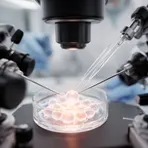
Using small tools under a microscope to move or change tiny things like cells
How Microscopic

Surface Forms
Morphology
microprocessing = processing (transparent) = micro + process + ing
This sense follows the literal idea of small-scale processing, so the meaning is easy to infer from micro- + processing.
Etymology
Microprocessing uses the parts micro- 'small' and processing 'to work on', like when scientists use a microscope to handle or change very small materials. So, microprocessing can also mean working with or changing things at a very small, almost microscopic, scale.