
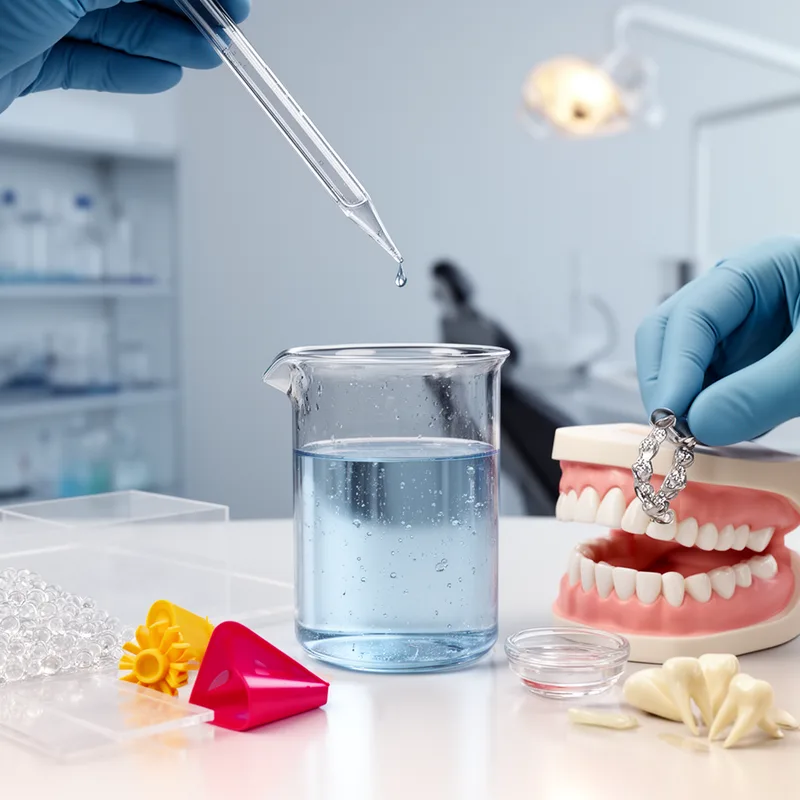
methacrylic acid
- noun
- /ˌmɛθəˈkrɪlɪk ˈæsɪd/
- Specialized
- Methacrylic acid is a key ingredient in the production of certain acrylic resins.
Examples
-
Many dental materials contain methacrylic acid derivatives for added durability.
-
The chemical formula for methacrylic acid is C4H6O2.
-
Industrial chemists often work with methacrylic acid to create high-quality plastics.
-
Many manufacturers use methacrylic acid to create durable plastics.
-
Methacrylic acid is widely used in the production of strong plastics and resins for various industries.
-
Chemists utilize methacrylic acid to formulate materials that have excellent weather resistance and durability.
-
Methacrylic acid, found in some adhesives, helps to enhance the bonding strength of plastic components.
Synonyms
A simple organic acid used to make resins and plastics
Surface Forms
Morphology
The noun is transparently formed from an adjective + acid: 'methacrylic' specifies the type and 'acid' gives the general chemical class, so a learner who knows both constituents and the common 'X acid' naming pattern can infer it denotes a particular kind of acid. Although detailed chemical properties or formula are technical, the basic compositional meaning (a type of acid related to methacrylic) is directly derivable.
Etymology
Methacrylic acid may come from adding a small methyl part to acrylic acid, so imagine acrylic with a tiny extra piece. That's why the name refers to this particular acid used to make resins and plastics.

