
mesoblastic
- adjective
- /ˌmɛzoʊˈblæstɪk/
- Specialized
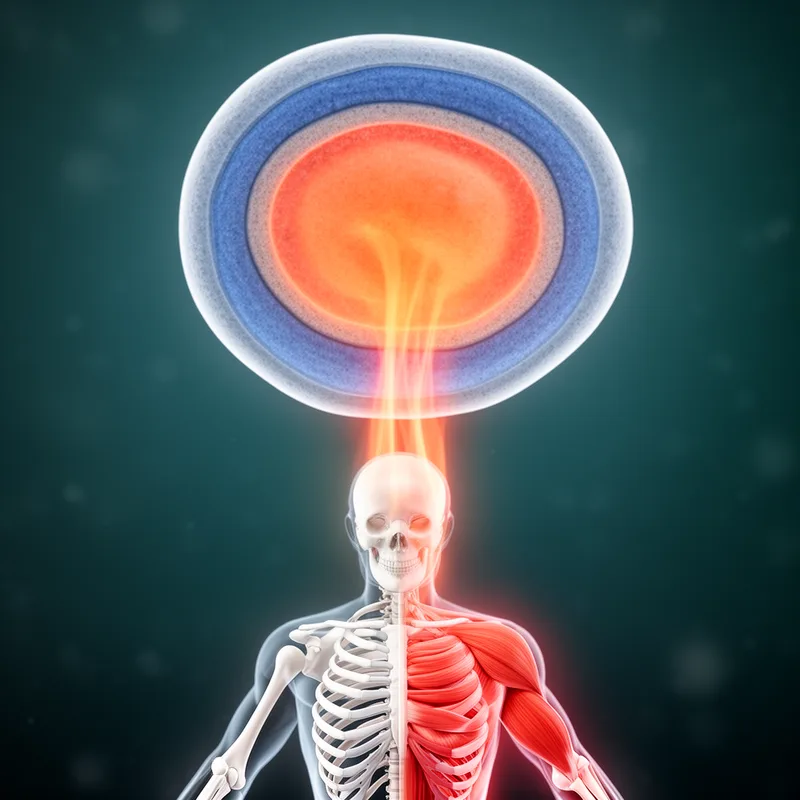
- The mesoblastic tissue eventually forms the muscles and bones of the embryo.
Examples
-
During embryonic development, the mesoblastic cells form structures like muscles.
-
The mesoblastic layer is crucial for organ development.
-
Certain congenital diseases can arise from defects in mesoblastic development.
-
The mesoblastic layer differentiates into several specialized cell types.
-
The mesoblastic tissue plays a vital role in forming the embryo's skeletal muscles.
-
In early embryonic development, the mesoblastic layer gives rise to vital organ systems.
-
Deficiencies in mesoblastic formation can lead to serious congenital malformations in the fetus.
Synonyms



 1
9.6
Relates to the middle layer of an embryo that forms muscles and bones
Surface Forms
Morphology
mesoblastic = mesoblast (opaque) = meso + blast + ic
The term relies on specialized biomedical combining forms ('meso-' and '-blast') that are not transparent to an average B1 learner.
Etymology
Mesoblastic comes from the parts meso- meaning 'middle' and -blastic meaning 'forming' or 'growing'. So, mesoblastic describes tissues that come from the middle layer of an embryo in its early development and that will form things like muscles and bones.