

merry andrew


 1
9.9
1
9.9
- noun
- /ˈmɛri ˈændru/
- Offensive
- You, Charles, are a merry-andrew.
Examples
-
At the party, he played the merry andrew, making everyone laugh with his silly antics.
-
Yeah, who's the merry-andrew now?
-
The children loved the clown because he was such a merry andrew, always telling jokes and performing tricks.
-
During the festival, the merry andrew entertained the crowd with his colorful costumes and playful behavior.
Synonyms
 372
1.0
372
1.0
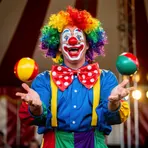
A performer who wears bright clothes and makes people laugh
 43
7.4
43
7.4
A person who acts in a silly way to make others laugh
 31
8.8
31
8.8
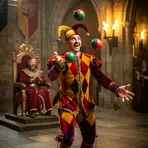
An entertainer who amused a king or noble in the past
 23
7.4
23
7.4
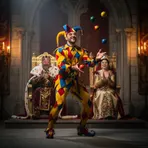
A person who entertains a king or queen with jokes and tricks
 23
7.5
23
7.5
A silly person who acts funny to make others laugh
22
5.9
A person who acts silly to make others laugh
 4
3.9
4
3.9
A person who plays funny tricks on other people
 3
8.1
3
8.1
A person who acts in a funny, silly way to make people laugh

A person who acts like a clown to make others laugh

A person in a group who often makes others laugh with funny stories or actions
Antonyms


How Silly
- Offensive
43
7.4

- Informal
37
3.0
- Offensive
1
9.9
145
2.5
117
2.1
Surface Forms
Morphology
merry + andrew
The compound pairs the transparent adjective 'merry' with the proper name 'Andrew', but a B1 learner who knows those words would read this as a cheerful person named Andrew rather than as a conventionalized term for a clown or buffoon. The buffoon sense is lexicalized and historically arbitrary (the name does not contribute its literal meaning), so the overall meaning cannot be derived from the parts.
Etymology
The name merry andrew may come from a real showman long ago called Andrew who was always merry and acted silly at fairs to make people laugh. That's why merry andrew now means someone who behaves like a 'clown' or 'buffoon'.