
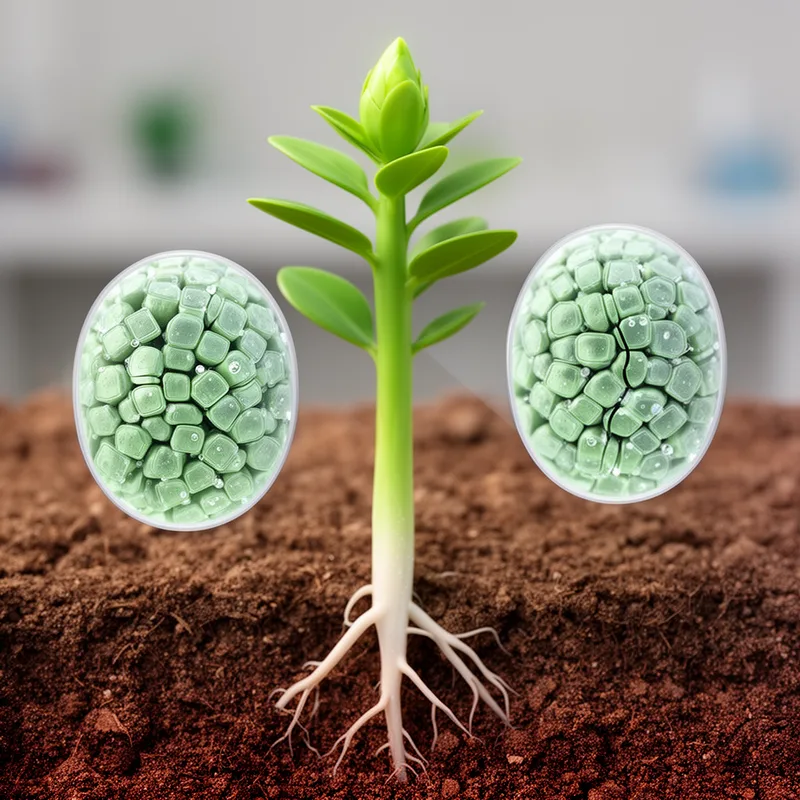
meristematic


 1
9.6
- adjective
- /ˌmɛrəstəˈmætɪk/
- Specialized
- The researchers studied the characteristics of meristematic tissue to understand how plants grow and repair themselves.
- meristematic tissue
Examples
-
Instead of moving the genes into plant embryo tissue—a common approach—the scientists recommend using what's known as cultured meristematic tissue, which is derived from the growing tip of the plant.
Academic text (1999) -
Also, successive generations of plants derived from laboratory-cultivated meristematic tissue are less likely to develop natural differences or mutations.
Academic text (1999) -
Species with the ability to regenerate from meristematic tissue located several centimeters below the surface have the greatest survival rate during fires (Flinn and Wein 1977).
Academic text (1997) -
For example, they can have most of their form eaten and still grow back normally from the surviving nub thanks to their capacity for generating new structures by undifferentiated and self-renewing meristematic cells (Watkinson and White 1985).
Academic text (2017) -
Certain plants can regrow entire limbs thanks to their meristematic cells, which enable rapid division and growth.
-
In many herbaceous species, the meristematic tissues are crucial for producing new shoots and leaves in the spring.
Surface Forms
Morphology
Etymology
Meristematic comes from old Greek words meros 'part' and merizein 'to divide', and the related word meristem names the part of a plant where cells keep dividing. So, meristematic describes the plant tissue that is making new cells and allowing growth.