

mephenytoin
- noun
- /ˌmɛfənˈaɪtɪn/
- Specialized
- Due to its toxicity, mephenytoin is used only when other anticonvulsants have been ineffective.
Examples
-
The neurologist prescribed mephenytoin after other treatments failed to control the seizures.
-
Serious side effects may occur when taking mephenytoin, so careful monitoring is required.
-
Mephenytoin is typically considered only when standard anticonvulsants are not effective.
-
Is mephenytoin effective for epilepsy?
-
The doctor prescribed mephenytoin after other medications failed.
-
Mephenytoin is prescribed for patients whose epilepsy does not respond to standard treatments.
-
The neurologist warned that mephenytoin can cause severe side effects if not monitored properly.
Synonyms
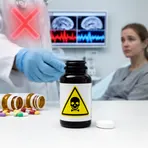
A toxic medicine that treats epilepsy when other medicines do not work
Surface Forms
Etymology
Mephenytoin combines me- (from 'methyl', a small chemical part) and phenytoin, the name of a better-known anti-seizure drug. So mephenytoin is a chemical cousin of phenytoin used to treat seizures, which explains why it is an anti-seizure medicine but can be more toxic.

