
mele


 1
9.9
1
9.9
- noun
- /ˈmeɪleɪ/
- Literature
- " The meaning and symbolism are deep, all the way to the mele, or songs, that have been composed specifically for Aulani," said Kahulu De Santos, the resort's cultural adviser.
Examples
-
To haku means "to weave"; mele is a song; therefore, haku mele means to compose songs or verses, but not with the trappings of "writer" as we know in the English language.
Fiction book (2002) -
To haku means "to weave"; mele is a song; therefore, haku mele means to compose songs or verses, but not with the trappings of "writer" as we know in the English language.
Fiction book (2002) -
Kagan, Kagan, Mele class, this gal in, in the new in the news.
-
Kagan, Kagan, Mele class, this gal in, in the new in the news.
-
Alright, y'all, it's almost time for the mele... the Kanikapila luau drum show!
-
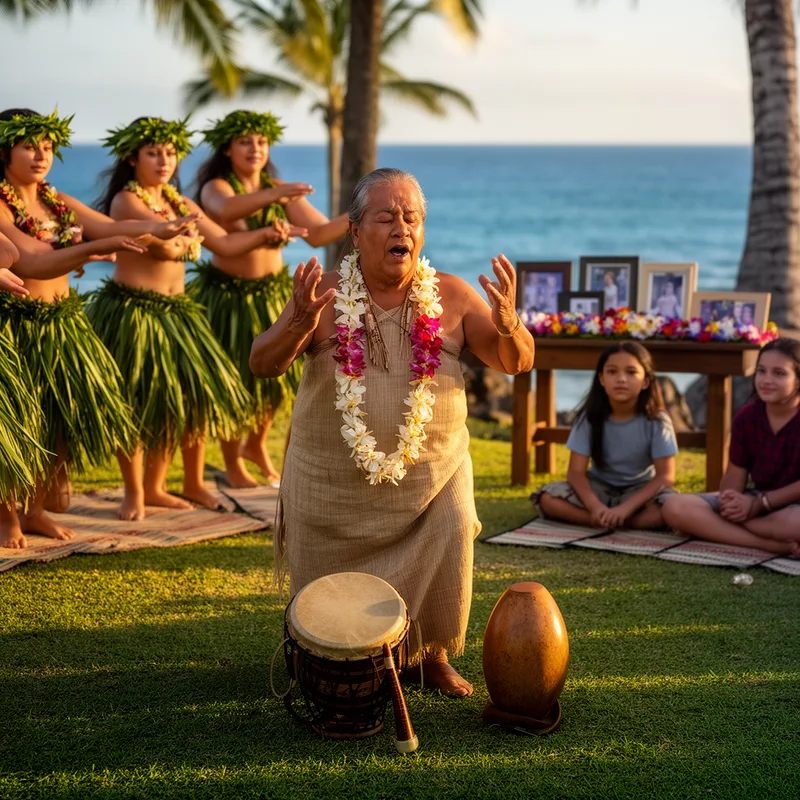
During the celebration, the local musicians performed a beautiful mele honoring the island's history.
-
The elders gathered to share their stories through mele, expressing gratitude for their ancestors.
-
At the festival, the highlight was a traditional mele that captivated everyone with its emotional storytelling.
Surface Forms
Etymology
Mele comes from Hawaiian mele and means 'song' or 'chant'. A helpful way to remember it is to think of mele like 'melody'—both are about singing, so a mele is a traditional Hawaiian song used to tell stories or honor people.