
melatonin
 19
4.9

- noun
- /ˌmɛləˈtoʊnɪn/
- Specialized
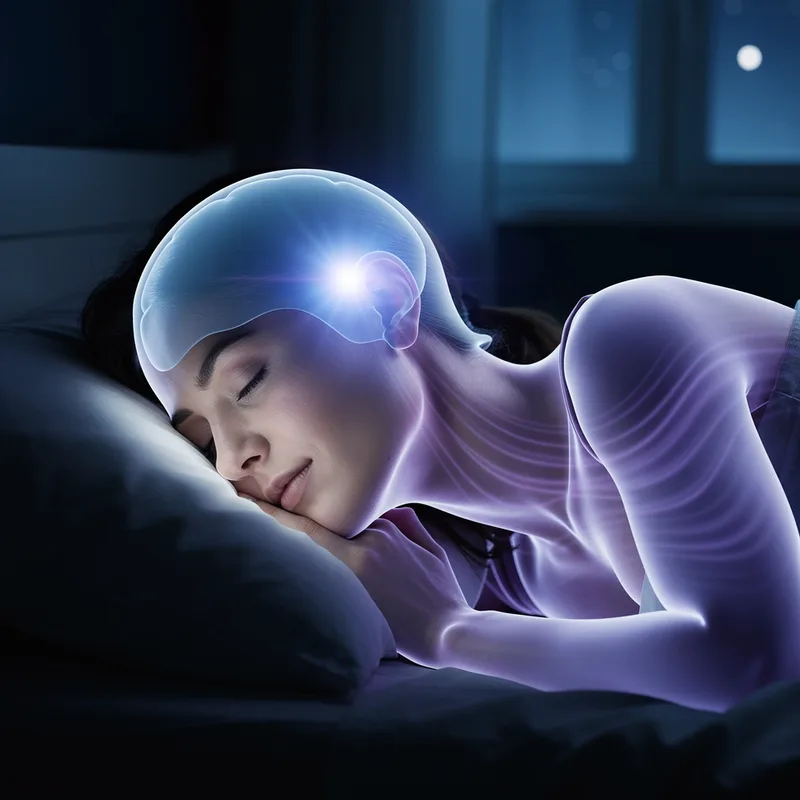
- As night falls, the body produces more melatonin, signaling that it's time to sleep.
- melatonin, a hormone
- using melatonin
Loading YouTube…
Watch on YouTubeAnd in the elderly, that's when melatonin might be a viable option.
- And in the elderly, that's when melatonin might be a viable option.
- And the only way we can release melatonin is by darkness.
- And usually it's as dusk is approaching, that's when melatonin will start to rise.
- So when it's dark out, our melatonin is the highest.
- I only take melatonin on nights where I stay up late playing MLB.
- It suppresses melatonin, your sleep hormone.
- Light is a very powerful modulator of melatonin, and light inhibits melatonin throughout the year.
- So having blue light in your eyes after dark impairs melatonin production?
- So in the UK, just for context, you can't get prescribed melatonin.
- So this is going to put me to sleep too because it has melatonin in it.
- I talked to specialists and the only thing he said was try melatonin.
- So additionally though, that serotonin gets bio converted into melatonin.
Examples
-
Around dusk, our bodies secrete the hormone melatonin, which helps prime us for sleep.
-
And so, so melatonin is the hormone that gets turned on when it's dark.
-
So when it's dark out, our melatonin is the highest.
-
So this is going to put me to sleep too because it has melatonin in it.
-
Or sometimes I just take melatonin and close my eyes, drink a tea and just hope for sleep.
-
Yep, we need melatonin, and we only get this when we sleep in the dark!
Blog text (27) -
You must take your melatonin when you're not getting a lot of light.
-
Because when melatonin goes up, we tend to feel sleepy.
-
I like melatonin for jet lag or for sleep while you're traveling.
-
Interestingly, the levels of this molecule increase significantly with complete darkness, when melatonin is produced abundantly.
Academic text (2015)
Surface Forms
Etymology
Melatonin comes from Greek roots: melan- meaning 'black', the same root as melanin, the skin pigment, and -tonin from a group of brain chemicals like 'serotonin'. Because melatonin increases when it gets dark, you can remember it as the body's 'night' chemical that helps control sleep.