
meiosis
 1
7.7
1
7.7

- noun
- /maɪˈoʊsɪs/
- Specialized
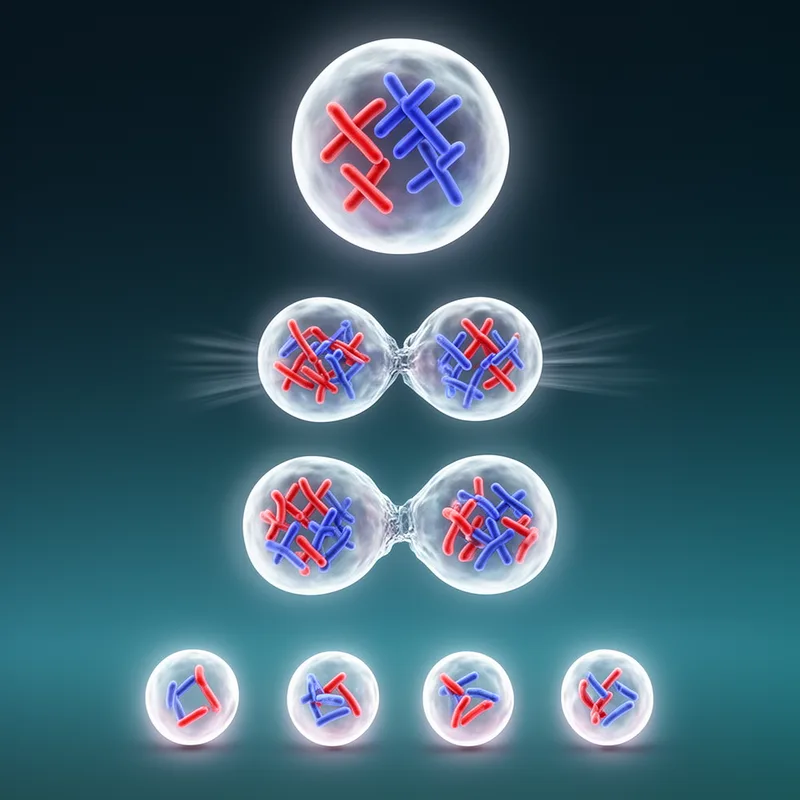
- A special nuclear division, called meiosis, is a process in which egg and sperm cells are formed.
- Meiosis occurs
- mitosis and meiosis
- processes of meiosis
Loading YouTube…
Watch on YouTubeThey generate this light and that causes cell division, mitosis and meiosis to occur.
- They generate this light and that causes cell division, mitosis and meiosis to occur.
Examples
-
In the reproductive cells of the sporangia, however, meiosis rather than mitosis is responsible for producing spores (Figure 1).
Academic text (2002) -
Yeast also undergoes meiosis to make spores.
-
Complete meiosis involves two successive division sequences, which result in four new cells, each of which is haploid.
-
Defects of meiosis during spermatogenesis are a significant cause of azoospermia, but the causes remain largely unknown.
Academic text (2003) -
Meiosis occurs in the sporangia, producing tetrads of spores that are released into the air.
Academic text (2002) -
Chromosome number is reduced during meiosis because the initial round of DNA replication is followed by two successive cycles of chromosome segregation.
Academic text (2003) -
The process of meiosis is essential for sexual reproduction, as it produces gametes with half the number of chromosomes.
-
During meiosis, the organism develops four daughter cells that are crucial for reproduction.
-
In plants, meiosis leads to the formation of spores, which are vital for their life cycle.
Synonyms

A type of cell division that makes four sex cells, each with half the chromosomes

A cell division that makes eggs and sperm with half the normal chromosomes
Surface Forms
Morphology
meiosis = meio + osis
Although the term literally derives from Greek for 'lessening' and denotes a halving process, the combining form 'meio-' and suffix '-osis' are not familiar to average learners and the technical biological meaning cannot be guessed from the parts alone.
Etymology
Meiosis comes from the Greek root meio-, which means 'less' or 'to make smaller'. In biology it names the cell process that makes sex cells like sperm and eggs by cutting the number of chromosomes in half, which is why the word means a division that makes things 'less'.