
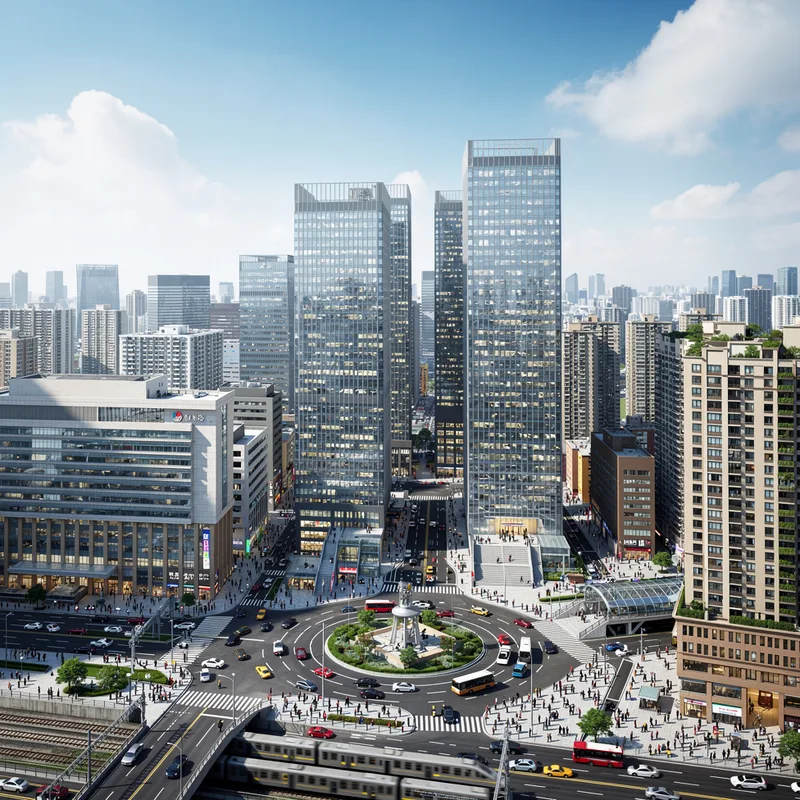
megacity
 3
3.9
3
3.9

- noun
- /ˈmɛɡəˌsɪti/
- Specialized
- The water footprint of a megacity goes far beyond its city limits.
- developed megacities
- challenges facing megacities
- megacities need
Examples
-
Furthermore, megacities are not restricted to their geographical boundaries but extend to the regions surrounding them.
Academic text (2008) -
Although considered basic needs, water supply, drainage, and sanitation are not always an investment priority in megacities.
Academic text (2008) -
Yet, most megacities have focused on economic growth with almost no consideration for environmental sustainability.
Academic text (2008) -
In most megacities of the developing world, clean water is both scarce and expensive to produce.
Academic text (2008) -
As urban growth continues to increase worldwide at escalating rates, megacities remain a growing phenomenon.
Academic text (2008) -
Nonetheless, improving water governance in megacities should be of the utmost concern.
Academic text (2008) -
In their analysis, the authors conclude that megacities are dramatic cases of urbanization and water-related challenges.
Academic text (2008) -
The supply of clean water and sanitation services in megacities should be viewed as an integral component of rapidly expanding urban areas.
Academic text (2008) -
Tokyo is one of the largest megacities in the world, with a population exceeding 37 million people.
-
The rapid expansion of megacities poses significant challenges for urban planning and infrastructure.
Synonyms
 175
5.2
175
5.2
A very large important city that is the main center in a region or country


 1
6.8
1
6.8
A very large city formed when several towns join, often imagined as very modern
How Big

Surface Forms
Morphology
Etymology
The word megacity joins mega- ('large') and city ('town'). You can see mega- in megaphone and megabyte, so a megacity is a 'very large city', often with more than ten million people.