

mast
 4
8.4
4
8.4

- noun
- /mæst/
- Specialized
- The sheave at the mast top screeched unwillingly, but the sail climbed and caught the wind.
Examples
-
On the stage stood a teacher and about ten pupils grouped around a flagpole bearing the national flag at half-mast; all of these participants (like the rest of the crowd) wore white shirts.
Academic text (1997) -
Indistinctly in the mist ahead, they glimpsed the curve of a gray sail and a trellised mast.
Fiction book (1994) -
Wildlife managers in portions of southeast Colorado report that mast crops there are currently in good shape.
Blog text (29) -
Kittiwake's mainsail shot up the mast, and her jib billowed free.
Fiction book (1994) -
Squirrels often gather oak mast in the fall to store for winter.
-
The forest was filled with mast this year, attracting many animals looking for food.
-
Wildlife enthusiasts observed that the abundance of mast led to a thriving deer population.
Compounds

- Specialized
1
5.6
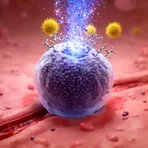
A large cell in body tissue that releases chemicals during allergic reactions and inflammation


- Specialized
A tall upright wooden pole near the top of a sailing ship that holds a high square sail
Surface Forms
Etymology
Mast for the nuts and fruits that fall from trees comes from an old English word mæst meaning 'fattening food' that people let pigs eat in autumn. So think of pigs filling up on acorns to remember mast as the food animals find in the woods.