

marshal
 16
7.4
16
7.4

- noun
- /ˈmɑrʃəl/
- UK
- Out from the colonnade marched an officer, dressed in the imposing uniform of a marshal of France.
- field marshal
- air marshal
- generals and marshals
Loading YouTube…
Watch on YouTubeI mean, he was a dictator, of course, but nonetheless, he listened to men like Zhukov and Rokozovsky and Ivan Conye from the great Russian marshals.
- I mean, he was a dictator, of course, but nonetheless, he listened to men like Zhukov and Rokozovsky and Ivan Conye from the great Russian marshals.
Examples
-
During the ceremony, the marshal presented the awards to the brave soldiers.
-
The field marshal did not look away from me, nor did his eyes seek mine.
Fiction book (1990) -
Only the king and his lord marshal carry this key.
-
- The field marshal will see you at 4:00.
-
There were no federal air marshals aboard the aircraft.
Academic text (2008) -
The Duke of Leoue had been King Ethelbhel's field marshal and now was that of his son.
Fiction book (1990) -
Outside the Sepulchre, the marshal helped King Fulk mount his horse, and they rode back to the Temple Mount.
Academic text (2011) -
The marshal led the troops into battle with great authority.
-
As the highest-ranking officer, the marshal was responsible for all military operations.
Synonyms
 68
3.3
68
3.3
A person who commands soldiers or an army
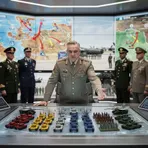 3
9.9
3
9.9
The top army leader in charge of many armies
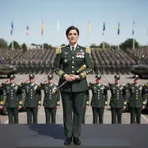 1
8.6
1
8.6
A very high army rank above general


 1
8.0
1
8.0
A very senior military officer who commands a whole branch of the armed forces
Compounds

- Formal
13
3.8
A person who makes sure buildings are safe from fire, investigates fires, and enforces fire safety rules
 7
4.9
7
4.9
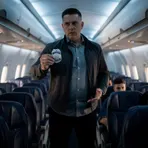
A government officer who travels as a passenger to protect people on planes from hijacking
- Formal
1
9.9
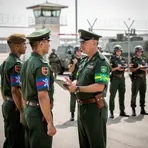
An officer who leads the police in an army and makes sure soldiers follow rules

- UK
1
6.3
A police officer who travels secretly on planes to protect passengers from hijackers

- UK
An officer with a high noble rank in Britain who organizes royal ceremonies and formal public events
Surface Forms
Etymology
Marshal comes from an old German word made of marh 'horse' and skalk 'servant', so it first meant a 'horse servant'. As these horse experts rose to lead cavalry and soldiers, the word came to mean a very high military officer.