

marmorated
- adjective
- /ˈmɑːrməreɪtɪd/
- Specialized
- The marmorated surface of the stone made it especially attractive for the kitchen countertop.
Examples
-
The marmorated walls of the palace were stunning.
-
The artist painted a marmorated background to give the portrait a unique texture.
-
Scientists studied the marmorated wings of the insect to understand its camouflage abilities.
-
Is that marmorated stone from Italy?
-
The marmorated surface of the stone made it especially attractive for the kitchen countertop.
-
The artist painted a marmorated background to give the portrait a unique texture.
-
The marmorated walls of the palace were stunning.
Synonyms


 1
4.4
1
4.4
Having streaks and veins of another color, like marble or fat in meat
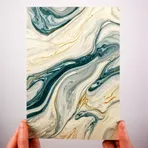
Having streaks or swirls of color like real marble

Having a smooth surface with streaks like marble
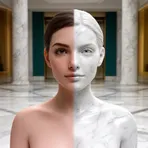
Looks and feels like marble

Smooth and pale like a statue carved from marble
How Marbled

Surface Forms
Morphology
marmorated = marmorate (semi-transparent) = marmor + ate + ed
The immediate step from 'marmorate' to 'marmorated' is a regular adjectival/past-participial formation (-ed), but the combining form 'marmor-' is not a familiar productive English morpheme for most learners.
Etymology
Marmorated comes from the old Latin word marmor, meaning 'marble'. It is related to the familiar word marble, so something marmorated has streaks like marble and looks 'marbled'.