
marcato
- noun
- /mɑrˈkɑːtoʊ/
- Specialized
- During the rehearsal, the pianist emphasized the marcato sections to highlight the piece's dramatic moments.
- play marcato
Examples
-
The conductor reminded the orchestra to play the passage marcato to bring out the vibrant sound of the strings.
-
The concept could be slurring, accents, marcato style, sforzandos, or other effects.
Academic text (2007) -
Your spiccato sounds like marcato.
-
You should play these marcato and tremolo chords at first, and let the students take turns playing once they become familiar with the game.
Academic text (2001) -
This lesson is called "the statue game." Explain to the students that a chord played loud and marcato on a stringed instrument means to freeze like a statue.
Academic text (2001) -
When a tremolo chord is played, it means to move very slowly into a pose, but not to freeze until the chord is again played loud and marcato.
Academic text (2001) -
The physical motions that assist in the development of steady beat may eventually transfer directly to an understanding of appropriate flow for phrasing and weight for bowings and articulations (e.g., accents, marcato).
Academic text (2014) -
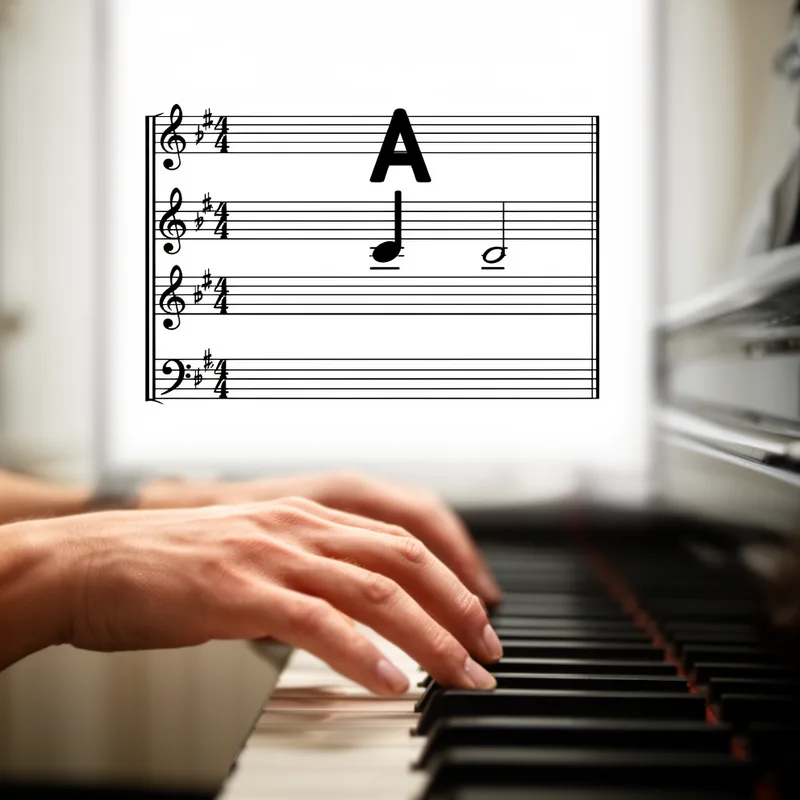
In the sheet music, you will see the marcato mark, which indicates that you should play the notes with strong emphasis.
Synonyms


 1
9.1
1
9.1
A mark in music showing a note held for its full length or played a little stronger
How Accented

Surface Forms
Etymology
Marcato as a noun is a musical mark that tells a player to hit a note with extra force. The word comes from Italian marcare 'to mark', just like the English mark, so the mark shows which notes should be heard more strongly.