
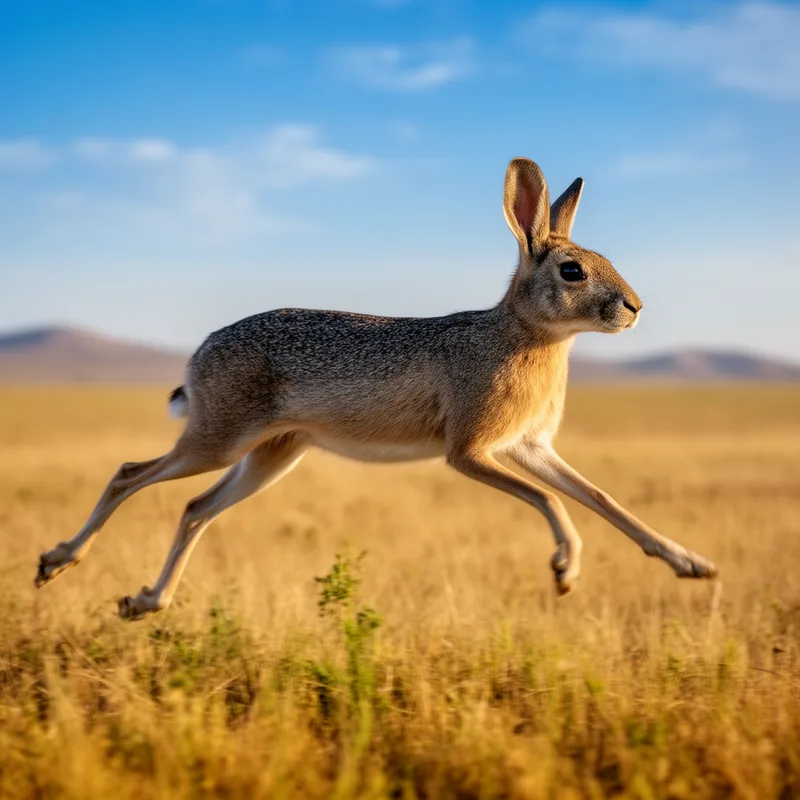
mara
 2
9.9

- noun
- /ˈmɑːrə/
- We usually call ourselves sidhe, or mara, or succubi, or even lamia.
Examples
-
The maras, which recruit actively in local high schools, provide a sense of brotherhood and loyalty missing in the larger society.
Academic text (1999) -
Now, these Patagonian maras of yours, um, devastate entire Argentinian villages, do they?
-
Sometimes I say, "The maras are here!" And if we did not have a youth group, many young people would be in them.
Academic text (1999) -
We don"t hide anything here at st mark"s, mara.
-
All these elements have fostered the emergence of youth gangs, or maras, composed mostly of adolescents who have seen their families shattered by the war or migration to the United States.
Academic text (1999) -
He also described several interesting facets of intra-regional variation; for example, maras have been much less successful in Mexico due to the stronger familial and social networks in that country (which notably did not suffer from deeply traumatic wars like the countries in Central America).
Blog text (9) -
The mara is known for its long legs that help it run swiftly across the Pampas.
-
In Argentina, the mara can be seen grazing on the grasslands during the day.
-
Due to its large size and speed, the mara is often compared to a small deer.
Synonyms
A large animal like a rabbit with long legs from the Pampas in Argentina that lives in pairs
A large South American animal like a rabbit with long legs for running
Surface Forms
Etymology
The word mara comes from Spanish, which borrowed the name from a local South American language for the animal. Like the word llama, it kept the local name, which is why mara today means the long, hare-like rodent of the Pampas.