

to malt
 1
6.3
1
6.3

- verb
- /mɔlt/
- malted barley
Examples
-
Avoid all purpose for it has malted barley and other products of fermentation.
Blog text (16) -
Merchants, home from the Bourse and ready to do their best to keep the price of malted barley high.
Fiction book (1994) -
Omission beer is the first craft beer brand in the United States focused exclusively on brewing great-tasting craft beers with traditional beer ingredients, including malted.
Blog text (26) -
Jackie blames the theft on the mad old crow woman, but Gimp reminds her that they'd used money from the purse to buy the malted milk.
Fiction book (1996) -
(Doing some quick googling, the only sweetening I see in Stoned Wheat Thins is malted barley flour.
Blog text (5) -
From a shop on Broadway, they buy a malted milk with ice cream, which they share amiably, and after they have finished it, Jackie tucks her snap purse into the pocket of her jumper, takes her brother's hand, and leads him across Times Square and through the entrance of the Rialto.
Fiction book (1996) -
The brewer decided to malt the barley for a smoother flavor in the beer.
-
To create high-quality beer, it is essential to malt the grain correctly during the brewing process.
-
After soaking, the farmers will malt the grain to prepare it for fermentation.
Compounds


- US
1
4.0
A type of whiskey made mainly from malted barley, often produced in Scotland in pot stills
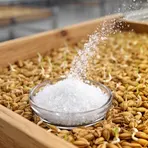

A strong drink made in Scotland from malted barley and aged in wooden casks
Surface Forms
Etymology
Malt as a verb comes from old English and German words for grain treated for brewing; to 'malt' is simply to turn grain into that prepared form by soaking, letting it 'start to grow', and drying it, which is exactly what the modern verb means.