

magniloquence
- noun
- /mæɡˈnɪləkwəns/
- Literature
- His magniloquence impressed everyone at the conference.
Examples
-
Critics accused the author of magniloquence in his latest novel.
-
She recognized the magniloquence in his writing and preferred a simpler style.
-
The politician's magniloquence impressed some but left others unconvinced.
-
The politician's magniloquence often overshadowed his actual policies.
-
The speaker's magniloquence at the ceremony impressed everyone with its grandeur and flair.
-
His constant use of magniloquence made his writing feel overly dramatic and difficult to read.
-
During the debate, her magniloquence overshadowed the actual content of her argument.
Synonyms

 265
7.0
265
7.0

Words that sound impressive but have little real meaning
 1
8.6
1
8.6
Speech or writing that is too fancy and feels overdone

Speech or writing that uses big, fancy words to sound important
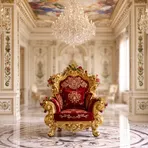
A thing or style with many decorative details
Antonyms


How Pompous

Surface Forms
Morphology
magniloquence = magniloquent (opaque) = magn + loqu + ence
The noun is a regular abstract formation from the adjective 'magniloquent', with the usual -ence ending expressing a quality or state.
Etymology
Magniloquence comes from Latin parts magnus 'great' and loqui 'to speak', so it originally meant 'great speaking'. Think of it as a mix of magnificent (big, grand) and eloquent (good at speaking), so magniloquence means very grand or showy language that often focuses on style more than meaning.