

lysogenic


 1
9.9
- adjective
- /ˌlaɪzoʊˈdʒɛnɪk/
- Specialized
- Strains of this group carrying lysogenic corynephages might produce the tox-encoded diphtheria toxin (DT) (2).
Examples
-
Lysogenic viruses can remain dormant within host cells before causing disease.
-
On the left is the lysogenic way that uses secret agent viruses.
-
The research focused on lysogenic bacteria that harbor viral DNA in their genomes.
-
In the lysogenic cycle, the virus integrates its genome into the host's DNA.
Synonyms
 1
9.3
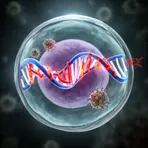
Relating to virus genes inside a host cell
Surface Forms
Morphology
lysogenic = lysogen (opaque) = lysogen + ic
Although formed from the noun 'lysogen' plus the suffix '-ic', both elements are technical biological terms and not readily interpretable by an average B1 learner.
Etymology
The word lysogenic comes from Greek parts lyso- meaning 'to break' and -genic meaning 'producing'. So a lysogenic virus hides its genes inside a cell and can later cause the cell to break open, which explains the word's modern meaning.