lyncher

lyncher

9.9
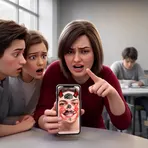
A person who attacks or shames someone publicly, often online, to damage their reputation
  • noun
  • /ˈlɪnʧər/
  • Offensive
translation icon : linchador
  • He regretted being a part of the mob that acted as lynchers, publicly shaming someone for a mistake.

Examples

  • Today's lynchers are professionals—on the company clock.

    Academic text (2004)
  • After the scandal broke, many became lynchers online, sharing hateful comments and vilifying the accused.

  • The social media lyncher targeted the celebrity, spreading false rumors to damage their reputation.

Synonyms

bully
vslyncher
  • Offensive
301 3.2

A person who scares or hurts people who are weaker

is more about public online attacks intended to ruin personal reputations
harasser
vslyncher
11 6.3

A person who repeatedly bothers, threatens, or scares others

is more about public online campaigns aimed at humiliating people than private hostility
baiter
vslyncher
  • Slang
4 8.1

A person who tries to annoy others online or in conversation

is more focused on public reputation damage through coordinated humiliation
hatemonger
vslyncher
  • Offensive
3 9.6

A person who tries to make others feel strong dislike and anger toward a group

is more aimed at humiliating individuals publicly online rather than mass hostility
mocker
vslyncher
2 7.1

A person who makes fun of others to show disrespect

is more often an organized public online attack meant to humiliate
flamer
vslyncher
  • Offensive
1 8.9

A person who posts angry, insulting messages online

is more about organized public online campaigns aiming to humiliate targets
slanderer
vslyncher
1 7.3

A person who says false things about someone to harm them

tends to be a forceful online public attack rather than spoken falsehoods
mudslinger
vslyncher
  • Offensive
1 8.5

A person who spreads nasty stories about others to harm them, often in politics

is more about direct coordinated online public attacks than political smear
insulter
vslyncher
1 4.5

A person who says rude or hurtful things to someone

is more targeted public online humiliation rather than isolated rudeness
stirrer
vslyncher
  • Offensive
1 7.3

A person who spreads gossip to start arguments

is more focused on coordinated online public attacks rather than mere provocation
scorner
vslyncher
1 7.9

A person who treats others as unimportant by words or looks

is more likely to be an aggressive online public campaign than mere contempt
shamer
vslyncher
1 8.1

A person who points out others' faults to make them feel bad or embarrassed

is more intense and involves coordinated online attacks
defamer
vslyncher
  • Formal
1 8.8

A person who says false things to harm someone's reputation

focuses on public online humiliation rather than relying on false statements
backbiter
vslyncher
1 8.4

A person who says bad things about others behind their back to hurt their reputation

is more commonly an open online public attack rather than private talk
flayer
vslyncher
  • Offensive
1 8.6

A person who attacks someone strongly in speech or writing

is more about public online attacks intended to humiliate than harsh critique
reviler
vslyncher
  • Offensive
1 8.7

A person who says mean things about someone, often publicly

is more centered on coordinated online public attacks rather than repeated abuse
mobber
vslyncher
1 7.8

A person who joins others to bully or hurt someone

is more typically a single person's public online campaign to humiliate victims
traducer
vslyncher
  • Formal
9.9

A person who tells lies about someone to harm their good name

is more often an aggressive online campaign rather than private falsehoods
libeler
vslyncher
  • Formal
9.0

A person who writes false things about someone to harm their reputation

is more about aggressive online public humiliation than printed lies
calumniator
vslyncher
  • Formal
9.9

A person who lies about someone to harm their reputation

is more likely to act through loud public online attacks than private claims
maligner
vslyncher
  • Offensive
9.9

A person who says false things to damage someone's reputation
tends to involve aggressive public online campaigns rather than private attack
vilifier
vslyncher
9.3

A person who says or writes false, hurtful things about someone

leans toward organized online public attacks rather than general harsh criticism
scandalmonger
vslyncher
  • Offensive
9.9

A person who spreads harmful gossip about others to attract attention

is more about coordinated online public attacks rather than simple gossip
denigrator
vslyncher
8.6

A person who unfairly says bad things about someone to make them seem unimportant

is more likely to be an aggressive public online campaign than private belittling
castigator
vslyncher
  • Formal
9.9

A person who strongly criticizes or punishes someone

is focused on public online humiliation intended to damage reputation

Antonyms

996 2.8

A country, person, or group that helps another, often in a war

817 1.0

A person who backs a team or a cause

How Aggressive

lyncher
  • Offensive
9.9
attacker
167 2.5
troll
  • Offensive
129 6.4
detractor
33 7.1
critic
563 3.0

Surface Forms

lyncher singular
lynchers plural

Morphology

lyncher = lynch (semi-transparent) = lynch + er

Formally derived from 'lynch' + '-er', but the figurative sense (online shaming or public attack) is an extended metaphor and not strictly literal.

Etymology

Lyncher is also used today in a figurative way from the same idea of Lynch law and a mob taking justice into their own hands. That's why a lyncher can mean a person who attacks or shames someone publicly, for example online, to damage their reputation 'without a fair hearing'.