
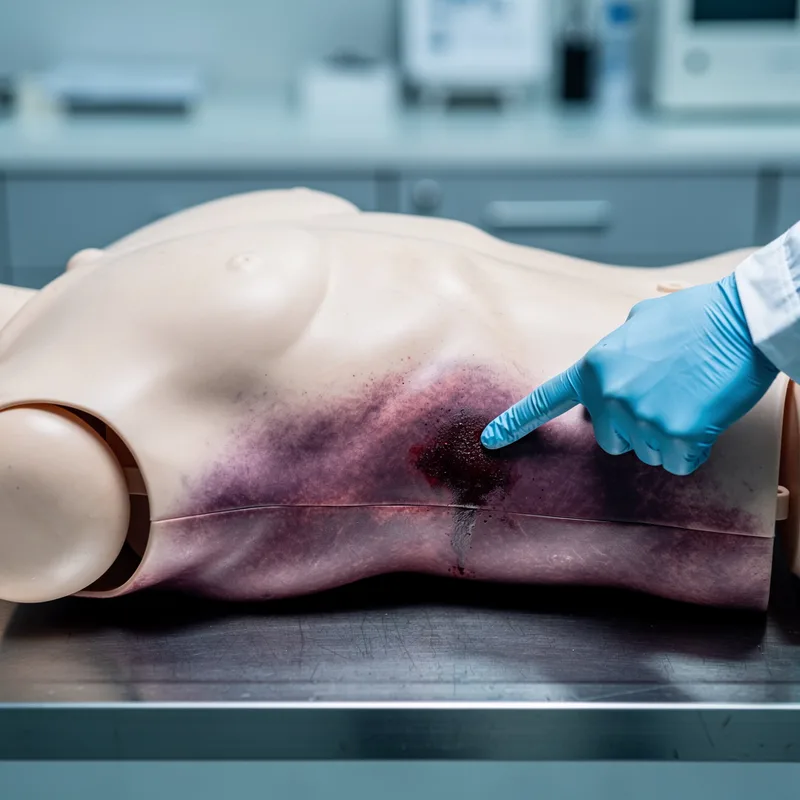
lividity
 12
9.9
12
9.9

- noun
- /lɪˈvɪdəti/
- Specialized
- "The biggest single thing was the indication from postmortem lividity that the body had been moved."
- postmortem lividity
- blood pooling
- lividity and rigor
Loading YouTube…
Watch on YouTubeAnd there's other things that we look for, you know, the, the body going flaccid, lividity is set in, it's fixed, it's not going anywhere.
- And there's other things that we look for, you know, the, the body going flaccid, lividity is set in, it's fixed, it's not going anywhere.
Examples
-
Forensic experts noted that the lividity pattern suggested the victim had been lying on their side for several hours.
-
The autopsy revealed significant lividity on the back of the body, indicating the position it had been in after death.
-
There should be marks of lividity.
-
Lividity and hypostasis follow immediately.
-
Coupled with initial signs of lividity, all indications are the victim's body was not moved from initial place of death.
-
There was a trickle from the left one also, and postmortem lividity was already starting in the parts of the face he could see.
Fiction book (1991) -
You'll notice, too, that postmortem lividity is present here in the lower portions.
-
Rigor mortis is present in the extremities and lividity has set in.
-
Postmortem lividity was fixed.
Fiction book (1997) -
She has dependent lividity.
Synonyms
 1
9.9
1
9.9
Bluish-purple color of the skin caused by blood pooling under the skin after death or injury
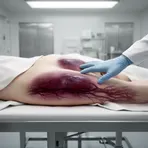
Blood that collects in a body part after death and makes the skin look purple
Surface Forms
Morphology
Etymology
Lividity comes from Latin livor and lividus, which mean 'blue' or 'dark', and was used to name the dark colour that appears on the skin after death. That's why in medicine and investigations lividity refers to the dark, blue areas made by blood pooling after someone has died.