

to litter
 5
7.5
5
7.5

- verb
- /ˈlɪtər/
- The rabbit littered her baby bunnies in a cozy burrow hidden from predators.
Examples
-
The dog will litter her puppies in the spring after a successful breeding.
-
After a careful selection, she decided to litter her kittens all at once.
-
To begin with, Thunapa's children litter the landscape, especially taking into account various versions of the story.
Academic text (1999) -
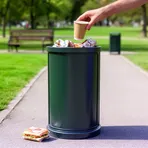
Crumbs, dirt, and a bit of grass litter the kitchen floor where a woman is sweeping.
Fiction book (2002) -
After a storm, driftwood and other oddments litter the sand.
Fiction book (1999) -
Burned-out tanks still litter the road on the town's outskirts as well.
Blog text (19) -
An antique white-pine china cabinet in the corner had been kicked in, the floor littered with broken dishes and shards of crystal.
Fiction book (1995) -
Beach - Coronado Naval Base - Day: 150-pound rubber boats ("Zodiacs") litter the beach.
Fiction book (1997)
Synonyms
 252
1.4
252
1.4
To have a baby or young animal from your body
Idioms

Phrasal Verbs

Compounds





Surface Forms
Etymology
Litter (verb) comes from the same Old French litiere 'bed', since it originally meant to produce young that share a common bed. That's why when an animal litters it gives birth to a group of young at once.