

liquescent
- adjective
- /lɪˈkwɛsənt/
- Specialized
- The artist used a liquescent medium that flowed easily to create her abstract painting.
Examples
-
The chocolate became liquescent when heated, making it perfect for dipping fruits.
-
"I must have called a hundred places—there was just nothing else," Laura apologizes in her soft, liquescent language, blinking gray, short-sighted eyes.
Fiction book (2001) -
The mirror was covered with shifting veils of steam, amongst which, vaguely, Gillian saw her death advancing towards her, its hair streaming dark and liquid, its eyeholes dark smudges, its mouth open in its liquescent face in fear of their convergence.
Fiction book (1994) -
As the ice melted in the sun, it took on a liquescent form, pooling on the ground.
Synonyms

Becoming liquid because of heat
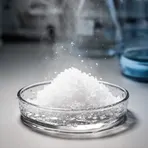
Likely to turn into liquid by taking in water from the air
Antonyms


How Liquid

Surface Forms
Morphology
Etymology
Liquescent comes from the root liqu- meaning 'liquid' and the ending -escent meaning 'becoming'. So, liquescent describes something that is 'becoming liquid', like ice slowly melting into water.