

lipoid
- noun
- /ˈlaɪpɔɪd/
- Specialized
- Many vitamins are lipoid-soluble, meaning they dissolve in fats but not in water.
Examples
-
The researchers studied the lipoid content of the cell membranes.
-
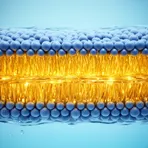
The cell membrane is primarily composed of lipoid molecules.
-
A deficiency in certain lipoid compounds can affect brain development.
-
Many lipoids are found in nature, including fats and oils.
-
Lipoid substances play a crucial role in maintaining the structure of cell membranes.
-
Researchers found that lipoid compounds are vital for cell function and energy storage.
-
The lipoid nature of the compound makes it suitable for use in cosmetic formulations.
Synonyms
 12
4.4
12
4.4

Fats and oils that do not mix with water and help build cell membranes
Compounds

- Specialized
A rare skin condition with many yellow bumps on the elbows and knees linked to body fat problems
Surface Forms
Morphology
lipoid = lipid (transparent) = lipo + oid
Formed from the combining form 'lipo-' (fat) plus the productive suffix '-oid' (resembling), so the meaning 'fatlike/fat-related' is directly inferable in scientific vocabulary.
Etymology
The word lipoid comes from the Greek root lipo-, from lipos, meaning 'fat' or 'oil', the same root you see in lipid. So lipoid means 'fat-like' and describes oily compounds that do not mix with water.