

to lift up
 107
1.1
107
1.1

- phrasal verb
- /lɪft ʌp/
- She used both hands to lift up the heavy box onto the shelf.
Loading YouTube…
Watch on YouTubeIt was like, no, change it, lift it up, it's too low.
- It was like, no, change it, lift it up, it's too low.
- Well, it seems most obvious, I suppose, to lift it up and pour like this.
- But it will just lift that area up.
- I don't know, Chris, if you want to, you lift it up a little bit.
Examples
-
The young man opened Lois' door, leaned over her, and lifted her up in his strong dark arms.
Fiction book (1994) -
The wheelchair shook as Mrs. Krause lifted herself up, calling "Emily, will you please?"
Fiction book (1994) -
And actually, if I lift this up, there we go.
-
So this piece right here, when you lift it up, see that lock in place?
-
OK, All right, so we're going to lift this up and put it onto something.
-
Help me lift her up.
-
I sat back down on the bed and lifted the heavy cast up with both hands.
Fiction book (1993) -
"Here," I said, lifting him up by the head into a sitting position.
Fiction book (1993) -
So when you put the plug in, it should lift up this thing here.
-
You can use this latch to lift up the base of this seat.
Synonyms
 834
1.0
834
1.0
To lift something or someone from the ground with your hands
 553
1.0
553
1.0
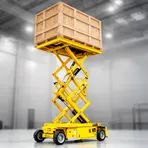
To raise something higher by hand or with a machine
 128
3.9
128
3.9
To move something to a higher place or level
 79
4.7
79
4.7
To lift heavy things using ropes, pulleys, or a machine
 56
2.0
56
2.0
To lift something up, often with a spoon or tool
 43
2.1
43
2.1
Bring things together by picking them up with your hands
 21
2.5
21
2.5
To push someone up from below so they reach a higher place
 11
2.1
11
2.1
Move something to a higher place by pushing from below or behind
 7
2.1
7
2.1
To lift something or someone to a higher place
 4
4.3
4
4.3
To lift a car or truck off the ground with a small lifting tool
 3
4.5
3
4.5
To lift something heavy with a lot of effort


 1
6.1
1
6.1
To lift something with effort to see how heavy it is

To lift something to a higher position
Antonyms


How High

Surface Forms
Morphology
The sense 'to fill someone with high spirits' is a clear metaphorical extension of the literal idea of 'lifting/raising' (lift + up → raise), and many languages use a similar 'raise morale' construction, so a learner who knows the constituents can plausibly infer the meaning. However, the mapping is metaphorical and phrasal-verb uses vary by context, so the emotional sense is not fully predictable without some exposure.
Etymology
Lift up comes from a simple picture: the word lift means to pick something and up means to move it higher, like lifting a child so they can see over a crowd. So it means 'to raise'.