
life estate


 1
8.9
1
8.9
- noun
- /laɪf ɪˈsteɪt/
- Formal
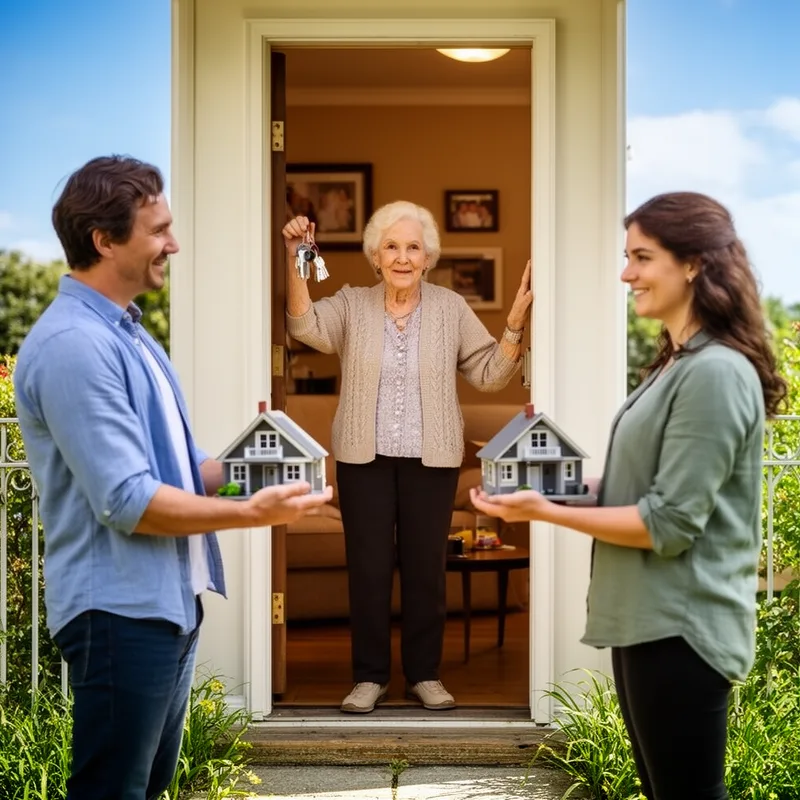
- A life estate allows the homeowner to live in the property for the rest of their life.
Examples
-
Thirty years ago, Amos Tyndall died, leaving a life estate in a $75 million trust to his grandson, who never touched the principal—didn't need to.
Fiction book (1997) -
She has a life estate, So what can Susie actually give to Bob?
-
For second marriages, they frequently devise life estates in many things to their spouses, with the balance going to their "heirs of the body," that is, the stepchildren.
Blog text (20) -
When you establish a life estate, you retain the right to use the property until your death.
-
The couple decided to create a life estate so that they could stay in their home while passing ownership to their children.
Synonyms

A right to use property for a person's life that ends when they die
Surface Forms
Morphology
The meaning 'an interest in property that lasts for the holder's lifetime' is directly derivable from combining 'life' (indicating duration) with 'estate' (property/assets). While the phrase has legal specifics, the basic compositional idea — an estate that applies for a person's life — follows normal English compounding patterns and would be inferable by a B1 learner who knows the two words.
Etymology
Life estate paints a simple picture: life is the person's life and estate is the property. In a life estate someone can live in or use the property 'for life', and when they die the property goes to someone else, so it means a right that lasts only for a person's life.