
liberated
7.3
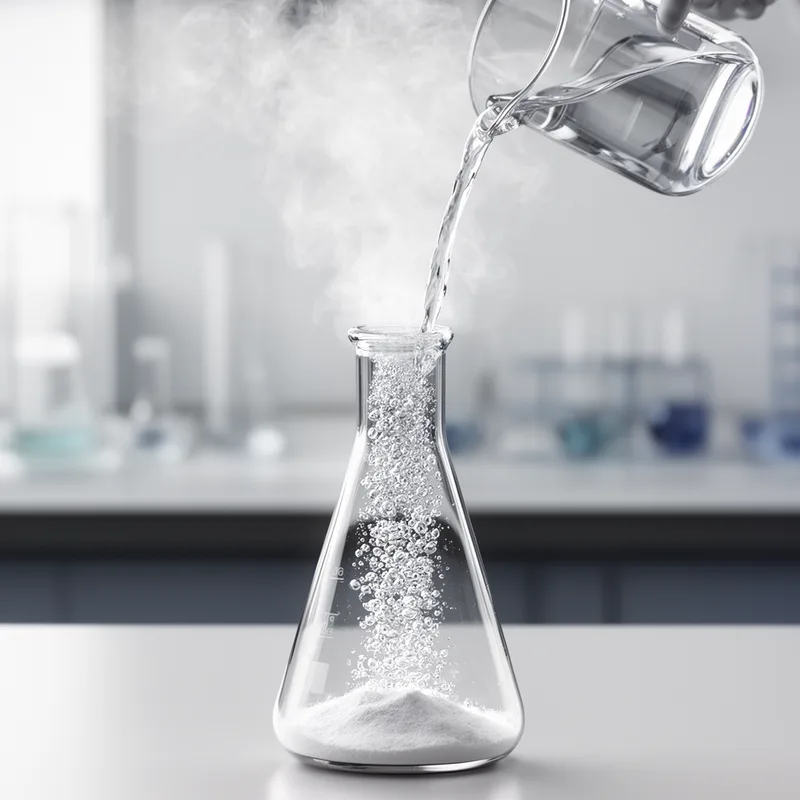
Set free as a gas during a chemical reaction
- adjective
- /ˈlɪbəˌreɪtɪd/
- Specialized
:
liberado
- When the acid reacted with the metal, hydrogen gas was liberated as a result of the chemical process.
Examples
-
Within that brine cloth, in that brine solution, we have protons or H plus ions, and H plus ions can accept those electrons that have been liberated from the zinc.
-
A huge amount of hot gas is liberated and throws out your your pyrotechnic ball which explodes high up in the sky.
-
We're obviously being liberated in this reaction because it is slow.
-
In the chemical reaction, oxygen was liberated when the bonds in the compound broke down.
-
The experiment showed that nitrogen could be liberated from the compound under high temperatures.
How Released


Surface Forms
liberated positive
Morphology
Etymology
Liberated comes from the Latin root liber meaning 'free'. In chemistry this image helps: a gas or substance is 'set free' from a compound by a reaction, so the gas is said to be liberated.