
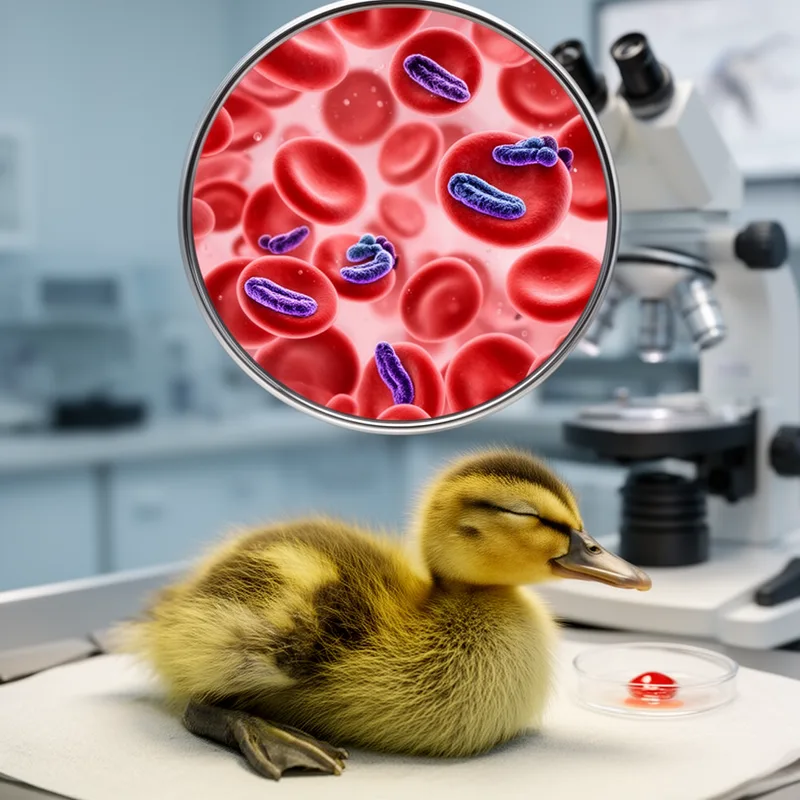
leucocytozoon
- noun
- /ˌluːkoʊˈsaɪtəˌzoʊn/
- Specialized
- Wild waterfowl infected with leucocytozoon may show anemia, weakness, and reduced flight ability.
Examples
-
The wildlife clinic treated several ducklings after identifying leucocytozoon in their blood samples.
-
Scientists use blood smears and molecular tests to detect leucocytozoon in captive and wild birds.
-
The leucocytozoon parasite can severely affect bird health.
-
Many species of birds are susceptible to leucocytozoon infections.
-
Birds infected with leucocytozoon often exhibit symptoms such as anemia and lethargy.
-
Researchers found leucocytozoon in blood samples taken from sick wild birds during the study.
-
The presence of leucocytozoon in their bloodstream can lead to serious health issues for affected birds.
Surface Forms
Morphology
leucocytozoon = leuco + cyto + zoon
The word is a scientific compound of Greek combining forms (leuco- 'white', cyto- 'cell', zoon 'animal'), which are specialized biomedical morphemes not readily interpretable by an average B1 learner.
Etymology
Leucocytozoon comes from Greek parts leuco- 'white', cyto- 'cell', and -zoon 'animal', like the zoo you know. So it is like a 'white-cell animal', which helps you remember it is a tiny parasite that lives in birds' blood cells and can make them sick.

