

lethally


 1
6.7
1
6.7
- adverb
- /ˈlɛθəli/
- Informal
- Their expressions are lethally cold.
Loading YouTube…
Watch on YouTubeGuys that were really powerful, they all had black, black vinyl furniture, like really lethally tough black stuff.
- Guys that were really powerful, they all had black, black vinyl furniture, like really lethally tough black stuff.
Examples
-
(smiles, lethally sweet)
Fiction book (1991) -
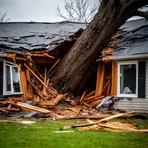
The storm was lethally intense, causing widespread destruction.
-
Many of these, however, were lethally counterproductive.
Academic text (1992) -
It was hard to believe the weather had once been so lethally hot.
Fiction book (1990) -
Guys that were really powerful, they all had black, black vinyl furniture, like really lethally tough black stuff.
-
Windows Phone is not just unpopular; it's so toxic it lethally crippled what was not too long ago the world's leading smartphone manufacturer.
Blog text (27) -
Places that are immaculately clean can be lethally infested with mosquitoes and the plasmodia that they bear.
-
She performed lethally well in the competition, leaving her opponents far behind.
-
His sarcasm was lethally sharp, cutting deep into her confidence.
Synonyms
 272
4.1
272
4.1
In a very bad or serious way
 97
3.2
97
3.2
In a way that can cause harm or injury
 57
2.7
57
2.7
To a very great degree
 41
7.4
41
7.4
To speak or act with strong feeling and force
 33
5.8
33
5.8
In a way that causes death
 14
8.0
14
8.0
To a very great degree
 13
7.1
13
7.1
In a way that can cause death or show very strong feeling
 7
7.2
7
7.2
In a way that causes very great harm or failure
 6
7.2
6
7.2
In a way that causes great harm, pain, or sadness
 6
7.4
6
7.4
To a very large degree
 5
6.5
5
6.5
In a way that is very frightening or very strong to show how serious something is
 5
4.4
5
4.4
To do something very suddenly and with great force
 4
8.6
4
8.6
To a very great degree
 3
6.7
3
6.7
In a way that causes great harm or damage
 2
3.9
2
3.9
To a very high degree
 2
8.8
2
8.8
In a very intense and unpleasant way
 1
7.3
1
7.3
A way that makes someone feel very sad and defeated
 1
7.2
1
7.2
In a way that feels very painful or shocking
 1
7.3
1
7.3
Very hot or strong in a way that feels painful
 1
8.4
1
8.4
To a very great degree
 1
5.8
1
5.8
In a way that is very strong or extreme
 1
7.4
1
7.4
In a very strong way that is hard to resist
 1
7.5
1
7.5
In a very serious and urgent way

In a way that causes great harm

In a very great and dramatic way

In a way that causes harm to someone or something

To an extremely large degree
Antonyms


How Intense

Surface Forms
Morphology
Etymology
A helpful way to remember the figurative use of lethally is to think of lethal as 'deadly' and imagine something so strong it could 'kill'. That's why people use lethally to mean 'very' or 'extremely' when they want to show a strong or dangerous effect.